
Every HR team we meet has built an engagement calendar. Almost none of them are still running it in July.
The failure is not planning. The plans are usually good — thoughtful, well-sequenced, considerate of festivals and appraisal cycles. The failure is that a calendar owned by people with quarterly targets loses to quarterly targets, every time, in every company, without anyone making a decision to let it.
So this is a calendar, but it leads with the structural fix, because the calendar is the easy part.
The structural fix: dates before enthusiasm
Do this before you plan a single activity.
- Pick the day. Same week each month, same weekday, whichever day your office is genuinely fullest. Not a floating date — a standing fixture people can plan around.
- Book twelve of them at once. In the calendar, with the room blocked, today. Twelve invitations, sent now, for the whole year.
- Put the recurring session with someone outside the company. This is the part that decides whether the calendar survives. If the only people obliged to make it happen have delivery targets, the first serious quarter ends it.
- Name one internal owner, not a committee. Committees generate ideas well and maintain cadence badly. One person, with the vendor relationship, and a named backup.
- Get leadership to commit to attending, in writing, at the start of the year. Not each month, when it becomes a negotiation.
Step three is what our monthly engagement plans are for. You pick one, two or four sessions a month, we agree the dates with you upfront, and then the sessions are contracted rather than aspirational. That single change is the difference between a calendar and a programme.
A calendar is a list of intentions. A programme is a list of commitments. Only one of them is still running in September.
The Indian financial year shapes everything
Before the month-by-month, three constraints that override any generic template written for a Western calendar:
- January to March is closing season. Sales and finance are stretched, appraisal conversations are running, and anxiety is high. This is the worst quarter for elaborate participatory activities and the best quarter for low-effort, produced ones. Do not cancel — downsize.
- April to June is when the calendar dies. New financial year, new targets, appraisal outcomes landing, and in NCR, punishing heat. Protect these months specifically. If your calendar survives June it will probably survive the year.
- October to December is festival and peak season. Diwali, annual days, year-end. Artist availability tightens sharply and prices firm up. Book this quarter by August, not October.
The twelve-month calendar
January — Reset, low effort
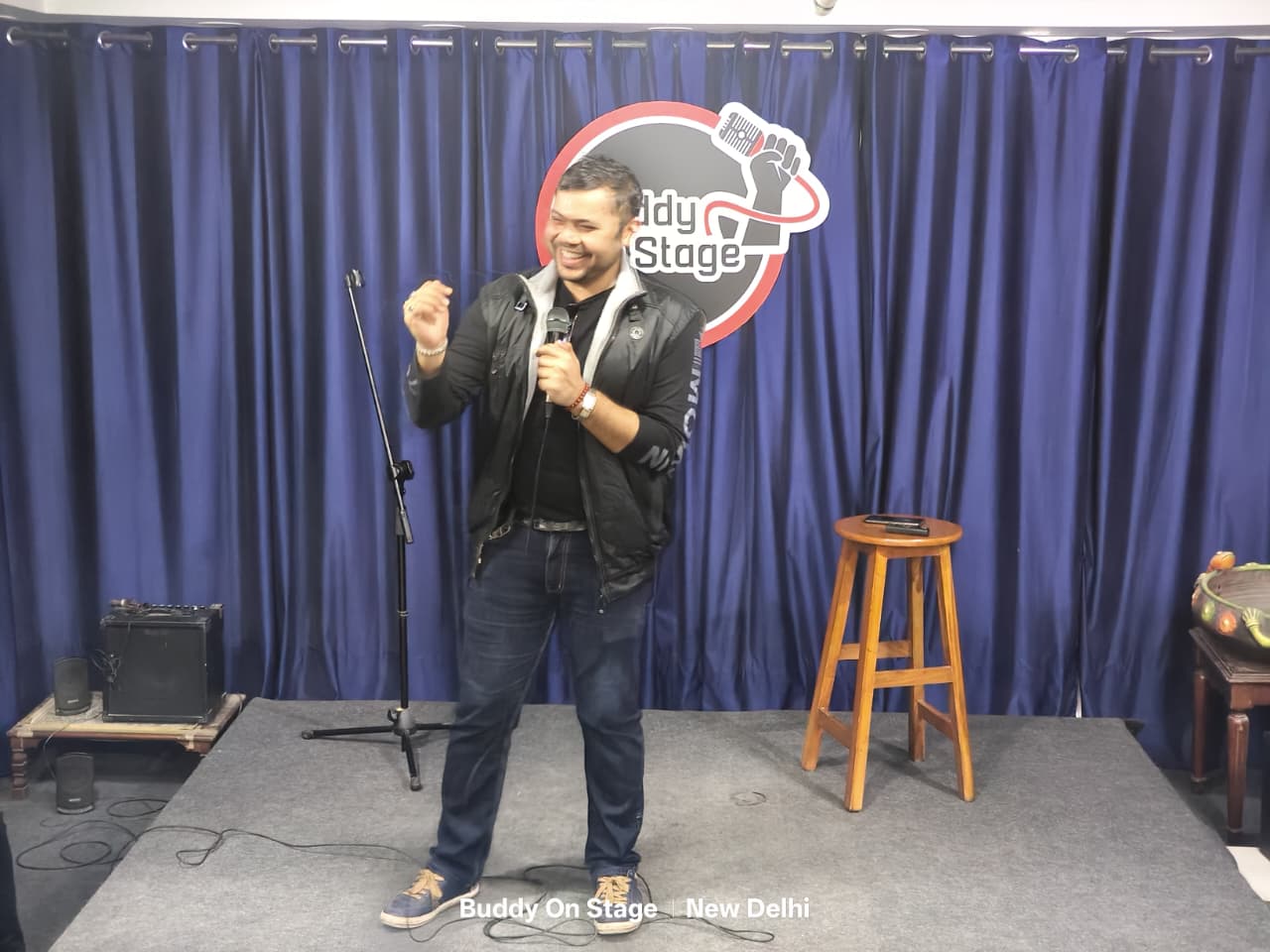
The team is back from holidays and straight into closing. Run something produced and undemanding: a comic, 45 minutes, inside the working day. Add five minutes of named recognition for the previous year. Do not launch an initiative in January; nobody has capacity for one.
February — Cross-team mixing
Quiet month, good for building the relationships that carry the rest of the year. Live music over lunch plus cross-team lunch roulette. Low cost, high compounding value.
March — Protect it, do not cancel it
Year-end closing. Every instinct says skip this month. Skipping is exactly what teaches everyone that the calendar is optional. Run something short — a mentalist, an hour, mid-afternoon. The point is that it happened.
April — Mark the new year properly
New financial year, new targets, and appraisal outcomes in the air — which means some of your team just had a disappointing conversation. This is a month where a genuinely good session matters more than usual. Host-led games with a strong host, plus recognition that is not tied to ratings.
May — The heat month
NCR in May is brutal and outdoor anything is a mistake. Keep it indoors, keep it short, keep it in the working day. Close-up magic works particularly well in a smaller, cooler room.
June — The survival test
If your calendar is going to die, it dies here. Nothing dramatic happens in June; it simply gets skipped once, and then it has been skipped. Run it anyway. This is the month an external commitment earns its entire annual cost.
July — Storytelling or poetry
Mid-year is the right time for the quieter format. A storytelling evening or a spoken-word set changes the register after six months of the same rhythm, and it reaches people that comedy does not.
August — Plan the peak quarter
Run your normal session, and use this month to lock October to December. Artist availability for the festival and annual-day window tightens fast, and by October the good options are gone. If you are planning a Diwali evening, our Diwali party ideas for companies has the format and timing detail.
September — Mid-year recognition
Half the year is gone and most companies recognise people only in December. A mid-year recognition moment inside the monthly session costs nothing and lands unusually well, precisely because nobody expects it.
October — Festival, families included
The Diwali evening. This is a peak, not a floor session — larger, family-inclusive where it fits your culture, and worth real budget. Book it in August. Larger festival evenings are best planned two to three weeks ahead at minimum.
November — Recover, keep it light
Post-festival, the team is spent. Light produced session, nothing elaborate. A live band over an extended lunch is close to ideal.
December — The annual day
The second peak. Awards, leadership moment, everyone in one room including satellite sites. Our 90-day annual day playbook covers the run-of-show, budget splits and lead times. Note that if you have run a monthly floor all year, this evening does not have to carry twelve months on its own — and can often be leaner as a result.
Lock twelve dates now, not in January
Tell us your headcount, city and the weekday your office is fullest. We will propose twelve dates and a rotation of art forms so no two months repeat - and then we make them happen.
See Engagement PlansWhat to put in every single month
Regardless of format, three things belong in each session because they cost nothing and compound:
- Five minutes of named recognition by someone senior, for something specific, in front of everyone.
- A photograph, printed. On a physical wall in the office. It is how the year becomes visible, including to people who joined last week.
- The two-question pulse the next morning. Would you recommend this to a colleague who missed it, and one word for how it felt. Two questions, high response rate, twelve months of comparable data. The method is in how to measure engagement ROI.
Multi-site companies: rotate, do not broadcast
If you have offices in more than one part of NCR, the default failure is that everything happens where leadership sits and everyone else reads about it. Build rotation into the calendar explicitly — Gurgaon in January, Noida in February, Faridabad in March — and publish the rotation at the start of the year so nobody feels forgotten.
We deliver across Delhi, Gurgaon, Noida, Faridabad and Ghaziabad, so a rotating calendar is a scheduling decision rather than a sourcing problem.
How to actually start
- Pick the weekday. Fullest office day. Fix it.
- Block twelve dates today. Room booked, invitations sent, all twelve.
- Decide the rotation. Comedy, music, magic, storytelling, host-led games — no format twice in a row.
- Contract the recurring part. Move ownership of making it happen outside your team.
- Book the two peaks in August. Diwali and the annual day, before availability tightens.
- Start the four metrics from session one. Attendance, pulse, referral rate, regretted attrition.
Our plans run at one, two or four sessions a month with a different art form each time. One price covers the performers, a host to run the room, sound and equipment, the games and full coordination, and we bring the setup to your office. Teams from around twenty to a few hundred; a regular session usually confirms with about a week's notice. No lock-in, billed monthly, and annual prepay saves 30%.
Current plans and inclusions are on the employee engagement page. Or send us your headcount and fullest office day on WhatsApp and we will come back with twelve proposed dates within one business day.