
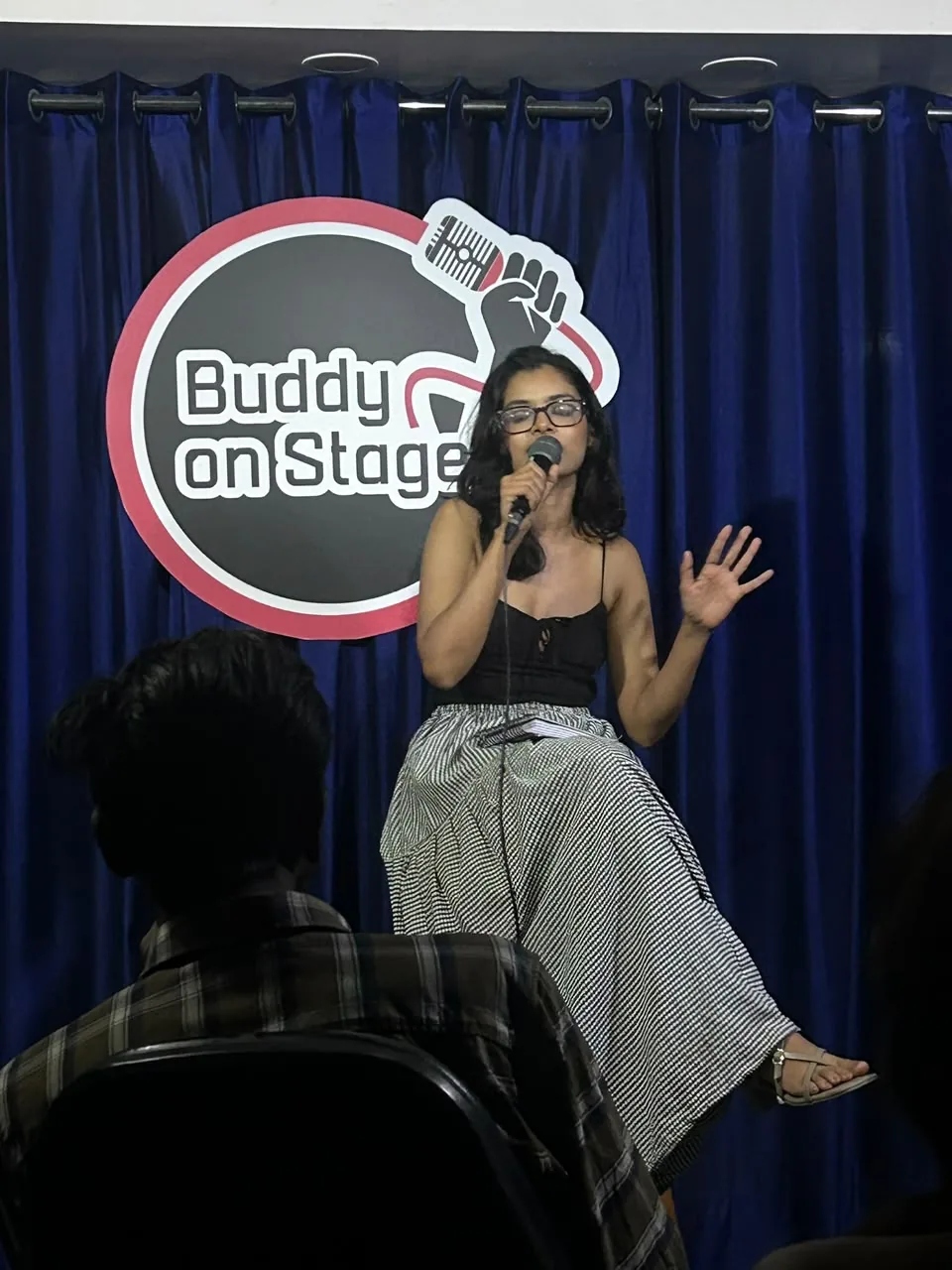
It is one of the first questions Indian comics agonise over: should I perform in Hindi, English, or Hinglish? It can feel like a permanent, high-stakes branding decision. It is not. The honest answer is refreshingly simple — perform in the language you naturally think and joke in — but it is worth understanding how each option actually plays on stage.
The Golden Rule: Use the Language You Think In
Comedy is timing, instinct, and authenticity. If you think in Hindi and force yourself into English because it feels more “sophisticated,” your timing will be a half-beat off and your jokes will lose their natural rhythm. The reverse is equally true. Your funniest, fastest instincts live in your most comfortable language. Start there. The audience can feel ease, and ease is funny.
How Each Option Plays
- Hindi: warm, punchy, and deeply relatable for a wide Indian audience. Slang and tone carry huge comedic weight, and wordplay can be gold. The reach in India is enormous.
- English: precise and great for certain urban, observational, or wordplay-heavy material. Crowds skew metro and younger, so read the room.
- Hinglish: how a huge number of urban Indians actually speak — and therefore how a huge number naturally joke. It lets you switch to whichever language a punchline lands hardest in.
Why Hinglish Is Often the Natural Winner
For many Delhi and metro comics, Hinglish is not a compromise — it is simply their real voice. They set up in English and punch in Hindi, or vice versa, because that is how the joke is funniest. If that is how you talk with your friends, do not artificially purify it into one language. Authentic Hinglish often outperforms a forced “pure” set because it matches how the audience’s own brains work.
Let the room tell you which language lands.
Bring jokes in whatever language feels natural and watch what the audience responds to. Book a beginner-friendly mic that welcomes Hindi, English, and Hinglish.
Register for an Open MicMatch Your Language To Your Room (A Little)
Authenticity comes first, but awareness helps. A heavily English crowd may miss a Hindi-slang-dependent punchline, and a Hindi-first crowd may not connect with niche English references. You do not need to abandon your voice — just be conscious of which jokes depend on which language, and read who is in front of you. Over time you will instinctively know which bits travel and which are room-specific.
You Are Not Locked In Forever
This is not a tattoo. Plenty of comics start in one language and drift toward another, or settle permanently into Hinglish, as they discover where their best material lives. Treat your early mics as experiments. Try a Hindi bit, an English bit, a Hinglish bit, and notice which one felt effortless and got the warmest response. The data from real rooms beats any theory.
Audiences do not laugh at the ‘right’ language. They laugh at the comic who sounds most like themselves — whatever language that turns out to be.
Test Your Voice On Stage
Stop debating language in your head and let a live room settle it. Write a few jokes in whatever tongue comes naturally — most likely a comfortable Hinglish — and perform them at an open mic. Buddy On Stage audiences in Delhi welcome Hindi, English, and Hinglish sets equally, so you have total freedom to find the voice that is genuinely yours.