

In India, a singer stepping up to an open mic has a choice most Western performers never think about: which language? Hindi, English, Punjabi, Tamil, Bengali, Urdu — your options are shaped by a lifetime of film songs, ghazals, bhajans and pop across several tongues. It is a lovely problem to have, but it can freeze beginners. Here is how to choose the language that serves your voice and your room.
Sing in the Language You Feel the Most
The single most important rule: sing in the language you feel the emotion of, not the one you think sounds most impressive. If a Hindi song makes your throat tighten with feeling and an English one leaves you cold, sing the Hindi one — the audience hears the emotion long before they analyse the language. A song you feel deeply in your mother tongue will always land harder than a technically fine song in a language you are merely performing.
Consider Your Pronunciation and Comfort
Sing in a language whose sounds sit comfortably in your mouth. If English lyrics trip your tongue or your accent makes you self-conscious enough to hold back, that tension shows in the voice. Likewise, a Hindi or Urdu song with heavy classical pronunciation you are unsure of can distract you from performing. Pick the language where the words flow without you fighting them, so your attention stays on the feeling and the melody.
Read Your Room — But Don't Overthink It
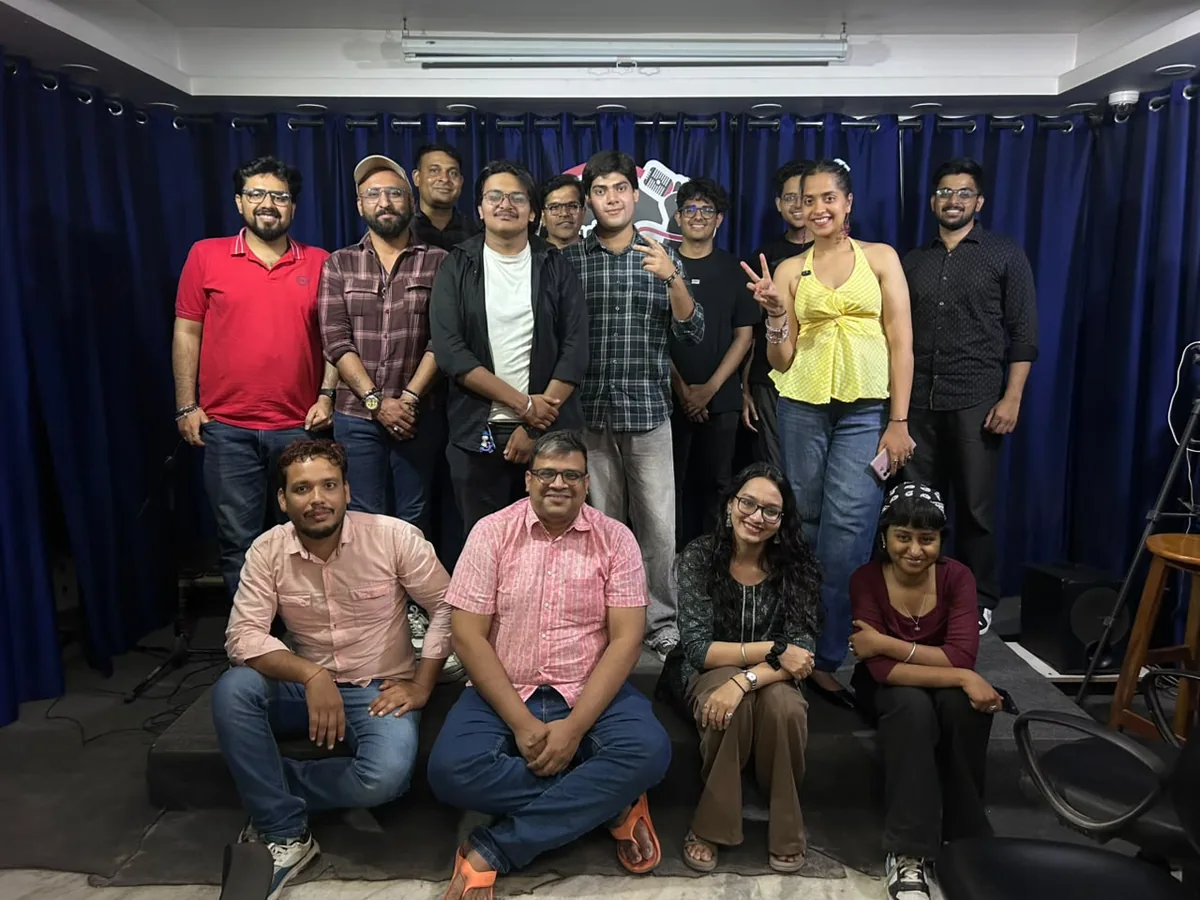
A Delhi open-mic crowd is comfortable across languages — most will happily enjoy a Hindi film classic, an English pop ballad and a Punjabi number in the same evening. So while a widely-known Hindi or Bollywood song gives you the broadest instant recognition, you do not need to abandon a beautiful English or regional song just to chase the room. Connection comes from conviction more than from picking the ‘popular’ language.
Your Regional Language Is a Strength
If your mother tongue is Tamil, Bengali, Marathi, Assamese or any of India’s many languages, do not assume you must sing in Hindi or English to be understood. A song in your own language, sung with genuine feeling, is often the most memorable performance of a night precisely because it is distinctive and heartfelt. Even listeners who do not speak the language feel the emotion. Your roots are an asset on stage, not a barrier.
Whatever language you sing in, the room is ready to listen.
Delhi's open-mic crowd loves a voice with feeling, in any language. Book a beginner-friendly slot and sing in the tongue your heart knows best.
Register for an Open MicMixing Languages Can Work Beautifully
You are not locked to one language per song. Plenty of Indian music blends Hindi and English, or Punjabi and Hindi, and a bilingual singer can move naturally between them. If a song genuinely mixes languages, or if you want to sing a Hindi verse and an English chorus that you both feel, that can be wonderful — as long as it flows and is not a gimmick. Let the song, not a rule, decide.
The Feeling Translates, Always
Here is the reassuring truth: emotion is the one language every person in the room shares. A heartbroken ghazal, a joyful pop song, a tender folk tune — the feeling crosses every language barrier in the audience. So stop agonising over the ‘right’ language and choose the one that lets you feel and express the most. Sing that honestly, and the whole room understands, whatever words you use.
Audiences do not fall in love with a language. They fall in love with a voice that clearly means what it is singing — in Hindi, English or any tongue you feel in.
Sing Your Language on a Real Stage
The only way to know which language truly comes alive in your voice is to sing it for a live room and feel the response. Delhi’s open-mic crowd is ready for whatever you bring — Hindi, English, Punjabi, Tamil or a blend. At Buddy On Stage we run beginner-friendly open mics every week in New Delhi. Pick the song your heart sings loudest, book your slot, and let the room hear it.