
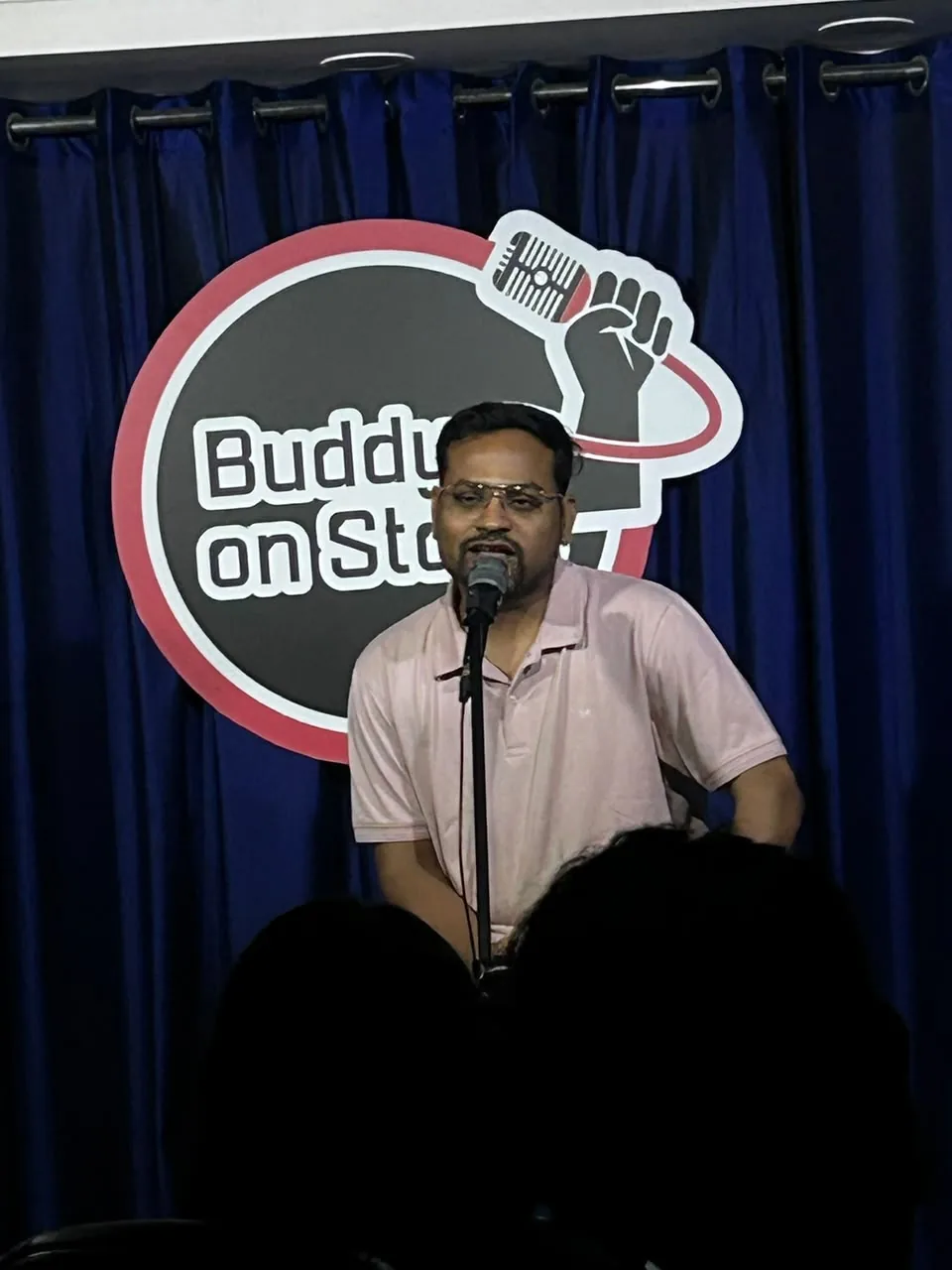
To become a professional storyteller, you need three things: a repertoire of stories that have been tested on real audiences, lots of stage reps, and a way to get honest feedback so each story gets sharper every time you tell it. Talent helps, a good voice helps, a dramatic life helps a little — but the storytellers who get booked are the ones whose stories reliably hold a room. Here is the practical roadmap, minus the motivational-poster fluff.
What Does a Professional Storyteller Actually Do?
A professional storyteller is paid to hold attention with stories — true personal stories, folk tales, mythology retold, kids’ stories, brand stories. Some perform on stage, some run workshops, some tell stories in schools or companies, some build audiences online. Most combine a few of these. The common thread: someone trusts you enough to put you in front of their audience.
Step 1: How Do You Build a Storytelling Repertoire?
Start with one story. Not ten. One true, focused story with a clear change from start to end — we covered the craft in how to write a story for an open mic. Tell it until it is solid, then add a second. Over time you want a small bank of stories with different lengths and moods:
- A short opener (2–3 minutes) that wins a room fast.
- A signature story (5–8 minutes) — the one people remember you for.
- A light, funny story for festive or corporate rooms.
- A quieter, emotional story for listening rooms.
- A clean version of everything, because schools and offices will ask.
A repertoire is not a list of stories you could tell. It is a list of stories you have told, in front of strangers, and know exactly how they land.
Step 2: How Do You Get Stage Experience as a Storyteller?
Stage reps are non-negotiable. Every time you tell a story to a live room, you learn which line gets the laugh, where the room goes still, and where you lose them. Open mics are the cheapest, fastest place to get those reps — low stakes, a fresh audience every week, and a host who does not care if you stumble. Storytelling nights and themed evenings come next. The rule is simple: the more rooms a story has survived, the more ready it is.

Where Do Professional Storytellers Work?
Storytellers find work in more places than most beginners realise:
- Open mics and storytelling nights — where you build reps and get noticed.
- Corporate events and workshops — team sessions, leadership storytelling, festive celebrations.
- Schools and libraries — storytelling sessions for children and young readers.
- Private events — family gatherings and themed evenings.
- Podcasts and YouTube — building an audience that knows your voice.
Organisers looking for performers also find storytellers through directories like the Buddy On Stage artist directory. Whatever the venue, they all want the same thing — a storyteller who will not lose the room.
Know exactly where your story holds the room.
Upload a recording of your storytelling set and get timestamps of reactions and quiet stretches, plus your pace, pauses and one focus for next time.
Get Feedback on My StoryStep 3: How Do You Improve as a Storyteller?
Record every telling. Your memory of a performance is a liar — it remembers the nerves and forgets the details. A recording shows you where the room laughed at a small detail, where the middle sagged, and whether your ending landed or just… stopped.
Then get honest feedback. Friends will say “bahut achha tha”. A recording reviewed carefully will tell you more. AI feedback on your set works for storytelling in Hindi, Hinglish and English: timestamps of where the audience reacted, the quiet stretches, your pace and pauses, 2–4 things that worked, 2–4 things to improve and one clear focus for your next telling. It does not replace a live room or experienced storytellers — it gives you a sharper starting point.
What a storytelling note can look like
- [00:40] Nani ke ghar ka detail — room hasa, yahin se log jud gaye.
- [03:10–04:20] Train wala hissa lamba — 2 events merge karo.
- [06:05] Ending pe lambi khamoshi, phir taaliyan — ending kaam kar rahi hai.
- Next telling ka focus: middle 1 minute chhota karo.
Do You Need Training To Become a Storyteller?
No formal degree is required. Workshops, books and watching great storytellers all help, and if you can find a teacher you trust, learn from them. But the real training ground is the room. You learn pacing by losing a room with a slow middle. You learn endings by watching a story trail off into polite confusion. You learn the power of a pause the first time a silence makes forty people lean forward. Training gives you vocabulary; stage reps give you instinct. You need both, but you can start the second one this week.
How Do Storytellers Get Paid Work?
Mostly the same way every performer does — someone sees you, trusts you, and remembers you when they need a storyteller. Hosts of storytelling nights notice who holds a room. School coordinators and HR teams ask around for someone reliable. So make yourself easy to find and easy to book: keep a short description of what you do, a couple of recordings of stories that landed, and clean versions ready to go. Turn up on time, stick to your slot, and be pleasant to work with. In a small scene, your reputation travels faster than your Instagram.
Common Mistakes Aspiring Storytellers Make
- Writing ten stories, telling none: an untold story is a draft, not a repertoire.
- Reciting instead of telling: memorised word-for-word sounds stiff — know the beats, not the script.
- Ignoring the middle: most stories die in a saggy middle, not at the start.
- No clean version: schools and offices are a big share of paid work.
- Waiting to feel ready: readiness comes from reps, not before them.
Final Thoughts
Becoming a professional storyteller is less about a big break and more about a slow, steady stack of tested stories and honest reps. Build one story at a time, tell it to as many rooms as you can, record it, review it, fix one thing, repeat.
Start this week: book a slot at an open mic, tell your best story, and get feedback on the recording. Your repertoire starts with the first story you stop rehearsing in your head and start testing out loud.