
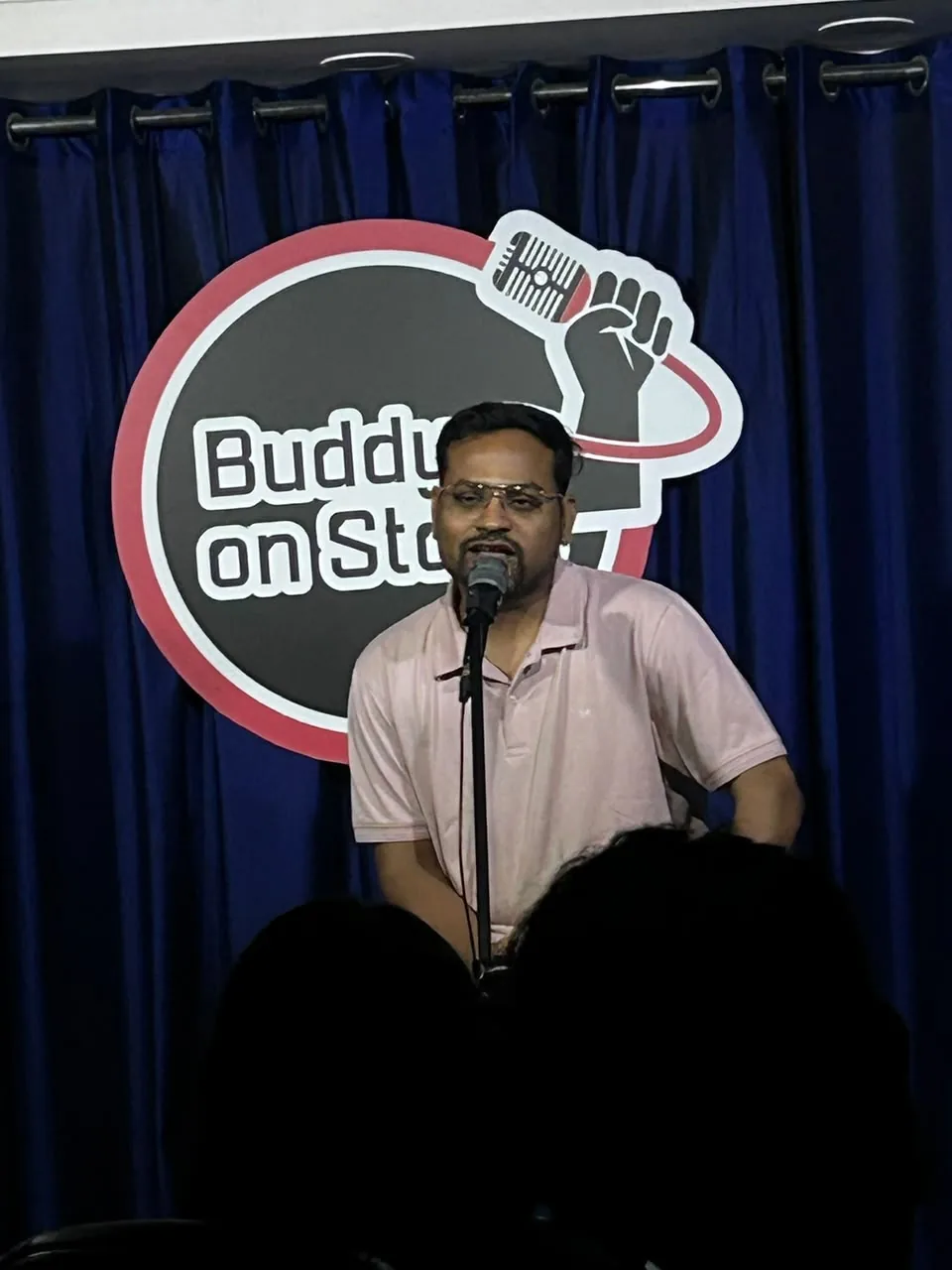
To build an audience for your poetry, start in the room, not on the app. Perform at open mics regularly so people hear you live, turn your best performed moments into short clips, show up on a steady rhythm, collaborate with other poets, and keep improving your delivery so every clip actually lands. The audience follows the poems that move people — and poems move people when they are performed well.
That is the honest answer. The less honest answer, which you will find all over the internet, is “post daily, use 30 hashtags, pray to the algorithm.” We have all tried it. The algorithm did not reply.
Why Is It So Hard To Get People To Read My Poetry?
Because a poem in text is competing with everything on the internet — memes, cricket highlights, your cousin’s wedding reel. A block of words on a pastel background asks a stranger to stop, read and feel, all in two seconds. That is a big ask.
A poem performed in a room asks nothing. The listener is already there, already quiet, already waiting. That is why almost every poet who has a real audience built it the same way: live first, online second.
Where Do Poets Find Their First Audience?
At open mics. Not because open-mic crowds are huge, but because they are real. Ten people who heard your shayari live, said “wah” out loud and then came up to ask your Instagram handle are the foundation everything else is built on. They come back. They bring friends. They share your clip because they were there.
- Perform at the same mic regularly: regulars notice regulars. Being a familiar face matters more than being a one-time hit.
- Stay for the whole night: listen to other poets, react, talk to people afterwards. The audience at a poetry night is also full of poets — your future collaborators.
- Say your handle at the end: once, clearly, without a sales pitch. “Main yahi poems Instagram pe daalta hoon” is enough.
If you are in Delhi NCR, Buddy On Stage runs open mics every week where poets, shayars and storytellers share the same stage. That is your first audience, waiting.
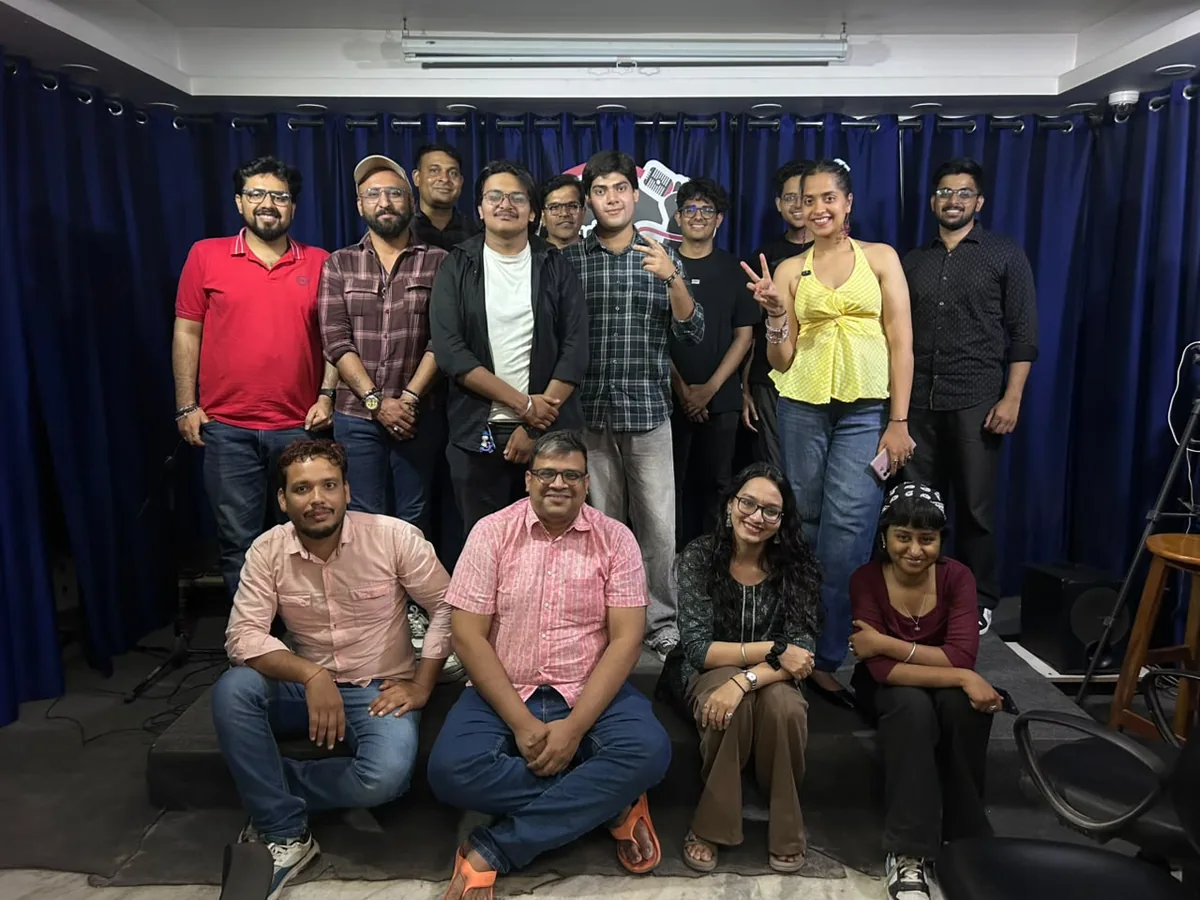
Is Instagram Good for Poetry? Text Posts vs Performed Clips
Instagram can be great for poetry, but the format matters. Text posts work for short, quotable lines. Performed clips work for everything else, because a stranger can hear the emotion before deciding whether to read. Your voice, your pause before the last line, the room going “uff” in the background — that is what makes someone stop scrolling.
- Clip the strongest moment, not the whole poem: the turn, the last couplet, the line that got the biggest reaction.
- Keep the audience audible: a real “wah” from a real room is social proof no caption can fake.
- Add captions: many people watch on mute, and Hindi or Urdu words land better when people can read them too.
- Pair clips with text posts: the clip earns attention, the text post gives people a line to save and share.
A clip only lands if the performance landed first.
Upload your reading and see where the room reacted, where it drifted, and whether you rushed your best line — timestamped, on WhatsApp and email.
Get Feedback on My ReadingHow Often Should a Poet Post?
There is no magic number, so ignore anyone who sells you one. What matters is a rhythm you can keep. One performed clip and one text post a week, every week, beats seven posts in a burst and then three months of silence. Audiences grow around recurring presence — people learn when to expect you.
The easiest way to keep that rhythm is to tie it to your stage schedule: perform on the weekend, post the best moment midweek. Your open-mic calendar becomes your content calendar.
How Do Poets Collaborate To Grow?
Poetry audiences overlap beautifully. Someone who loves one Hindi poet is very likely to love another. So collaborate: duet a poem, write a jugalbandi piece with another poet, host a small themed reading together, tag each other in clips from the same night. Generosity spreads you further than any hashtag.
Off-platform, build a small direct line to your listeners — a WhatsApp community or a simple email list where you share new poems and where you are performing next. Platforms change their rules; a list of people who chose to hear from you does not.
Common Mistakes Poets Make While Building an Audience
- Posting before performing: untested poems on the internet get untested reactions, which usually means silence.
- Chasing trends over voice: the trending format brings views, but your own voice brings followers who stay.
- Reading off the phone in clips: eyes down, flat delivery. Learn the poem, look up, let the room breathe with you.
- Ignoring the room: the live reaction tells you which poems deserve a clip. Most poets never check.
How Do I Improve My Poetry Delivery So Clips Land?
Record every reading and listen back. Notice where the room reacted — the “wah”, the sigh, the held silence — and where it went restless. Notice if you sped up through the line that matters most. Those moments are exactly what decides whether a clip works.
If you want a faster read, upload your recording for AI feedback. It works for poetry and shayari in Hindi, Hinglish or English, and marks where the audience reacted, the quiet stretches, your pace and pauses, and one clear focus for your next reading. It will not tell you whether your poem is “good” — that is your call and your audience’s. It tells you what happened in the room.
What a few lines of feedback on a reading can look like
- [00:48] “Ghar ki chaabi” wali line pe audible “wah” — yahi clip banao.
- [02:05–02:40] Room thoda restless — middle stanza mein same image repeat ho rahi hai.
- [03:12] Last sher bahut tez bola — pehle 2 sec ruko, phir bolo.
- Next reading ka focus: aakhri do lines slow, eyes up.
Final Thoughts
Building an audience for your poetry is slow, and that is fine. Start with the room, show up on a rhythm, clip the moments that really landed, collaborate generously and keep sharpening your delivery. The followers who arrive that way are the ones who actually listen.
So this week: book an open mic, record your reading, and find the one line that made the room go quiet. That is your first clip. That is your audience starting.