
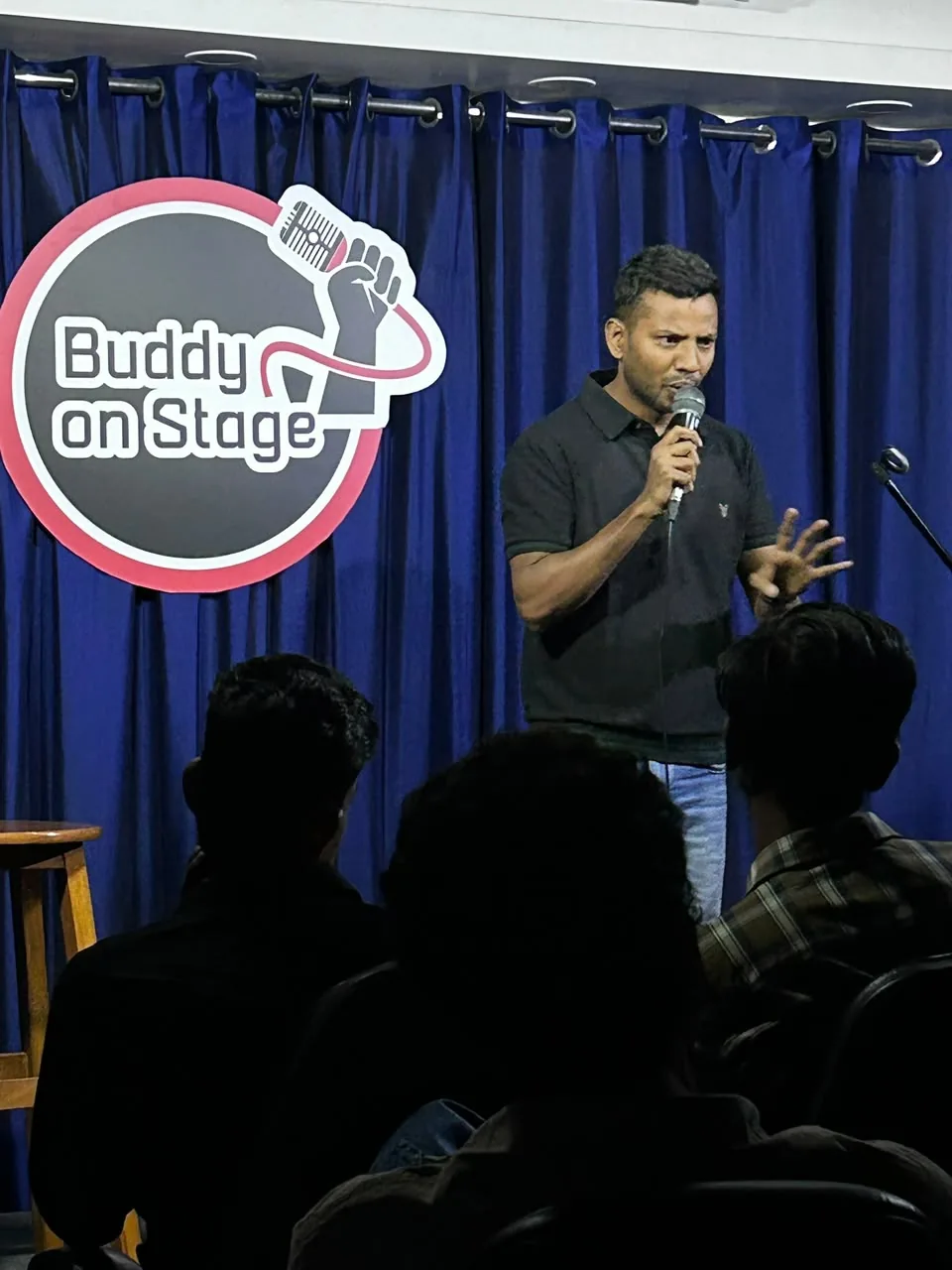
“Networking” is a word that makes most comics cringe — it sounds like business cards and forced small talk. But here is the uncomfortable truth: a large share of comedy opportunities come through relationships. Spots, advice, line-ups, paid gigs — they flow through people who know and trust each other. The good news is that real comedy networking is not transactional at all. It is just making friends in a scene you genuinely want to be part of.
Reframe It: You Are Joining a Community
Drop the word “networking” entirely and replace it with “becoming a regular.” You are not collecting contacts; you are showing up to the same rooms, watching people’s sets, laughing at their jokes, and slowly becoming a familiar face. That is the entire mechanism. The relationships that matter form naturally over weeks of simply being present and pleasant — not in a single calculated introduction.

The Single Most Powerful Move: Stay and Watch
If you do one thing, do this: do not leave after your set. Stay for the whole mic and actually watch the other comics. It is respectful, it is how you learn, and it is the number-one way to be liked in the scene. Comics notice who supports them and who vanishes the moment their own slot ends. The performer who stays, laughs, and claps becomes part of the room; the one who leaves stays a stranger.
Be Genuinely Supportive
- Laugh at jokes that are funny — real laughter from a fellow comic is a gift everyone remembers.
- Give a genuine compliment after someone’s set. “That bit about your dad killed” means a lot.
- Share good rooms and info instead of hoarding it. Generosity comes back around.
- Be easy to be around. Reliability and warmth open more doors than raw talent.
Avoid the Transactional Trap
Nothing kills a comedy relationship faster than obviously wanting something. Do not approach experienced comics with an immediate ask for spots or favours. Build the relationship first by being a genuine, supportive part of the scene; the opportunities emerge from trust, not from pitching. People help people they like, and they like people who were not just trying to use them. Patience reads as respect.
You cannot network from your couch.
Comedy relationships are built in the room, week after week. Show up, do your set, stay, and connect. Book your next open mic.
Register for an Open MicOnline Counts Too — But Lightly
Follow the comics and organisers you meet, engage genuinely with their posts, and stay on their radar between mics. But keep it real — online support should reflect a real-room relationship, not replace it. A like means little from a stranger and a lot from someone who claps for you every week. Let your online presence be the echo of your in-person one.
Why This Matters for Your Comedy
Beyond opportunities, a comedy community makes the whole pursuit sustainable. The friends who get the struggle, swap feedback, celebrate your good sets, and commiserate after a bomb are what keep you going through the long grind. Many comics say the scene friendships are the best part of comedy. The networking is real, but the friendship is the point.
Nobody remembers the comic who handed them a card. Everybody remembers the one who stayed, watched their set, and laughed like they meant it.
Start Building Your People
You do not need a strategy — you need to keep showing up. Pick a regular room, do your set, stay till the end, support the other comics, and come back next week. Within a couple of months you will have a circle, and within that circle, opportunities. Buddy On Stage runs weekly open mics in Delhi where these communities form naturally — the easiest place to find your comedy people.