
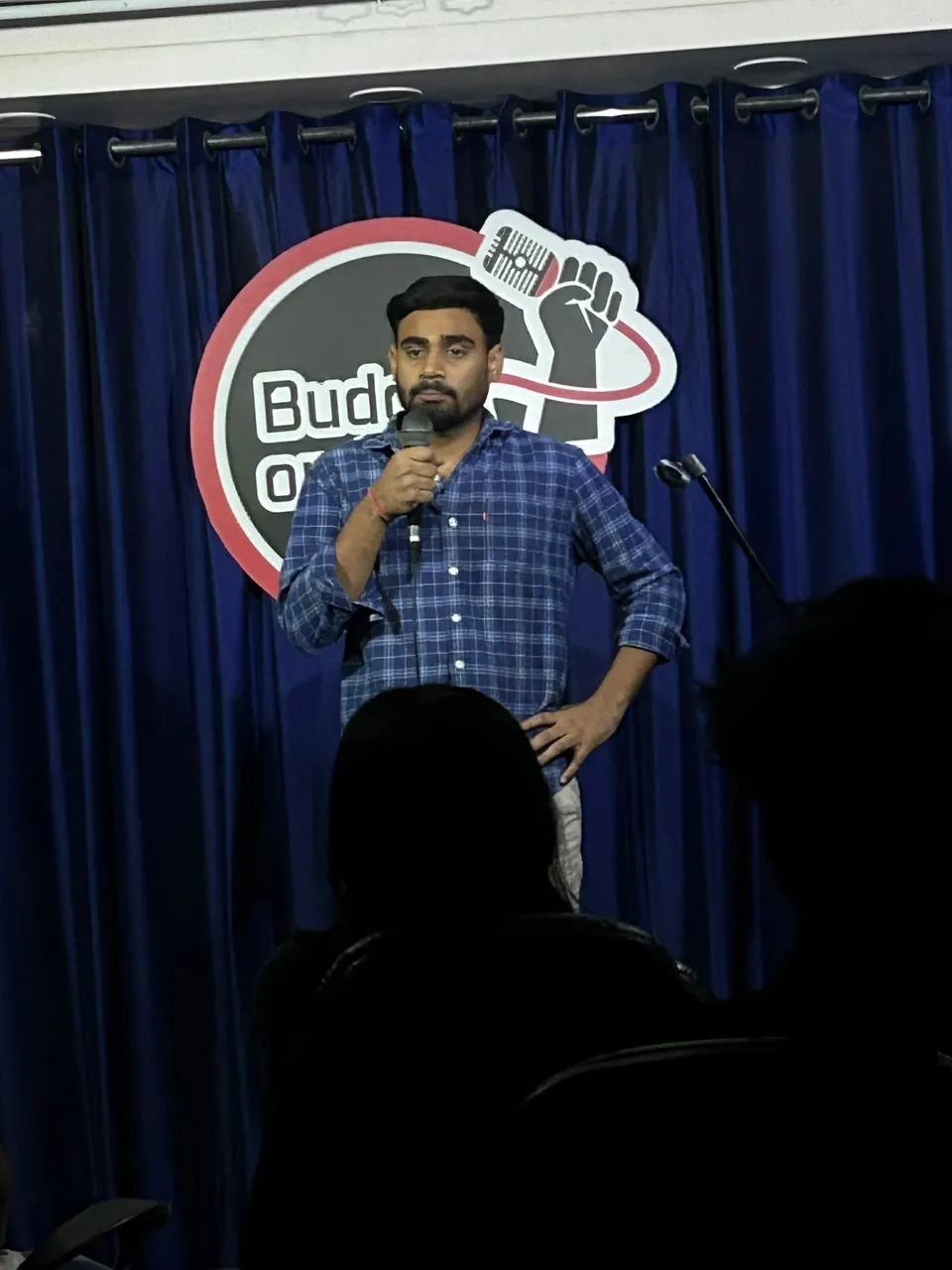
Most of the fear around a first singing open mic is fear of the unknown — not the singing itself, but everything around it. When do I go on? Where do I stand? What if I forget the words? What if nobody claps? Once you know how the night actually runs, most of that fear quietly deflates. So here is exactly what to expect, start to finish.
Before You Go: Signing Up
Most open mics ask you to register for a performer slot in advance rather than just showing up — at Buddy On Stage you book your slot online. This is good news: it means your place is guaranteed and you can stop worrying about whether you will get to sing. Have your song ready, your backing track downloaded (if you use one), and arrive a little early.
Arriving at the Venue
Come 20–30 minutes before the show starts. This gives you time to find the place, check in with the host, sort out your track or instrument, and — crucially — let your nerves settle before you are on. Walking in flustered two minutes before your slot is the worst way to start. Arriving early lets you feel the room, watch a couple of performers, and realise it is a warm, friendly space, not an audition panel.

The Running Order
A host runs the night and calls performers up one by one, usually in a set order. You will get a rough sense of when you are on. Watch the singers before you — not to compare yourself, but to see that everyone, from nervous first-timers to confident regulars, gets the same warm reception. Notice how the room claps for effort, not just polish. That is the culture you are stepping into.
Your Slot: On Stage
When the host calls your name, walk up, take a breath, and get your setup sorted — mic height, track cued. There is no rush; the room will wait. Most open mics give singers three to five minutes, roughly one song. Then you sing. It will feel faster than you expect. When you finish, the room claps, you thank them, and you walk off. That is it — the thing you were terrified of takes about four minutes.
The only cure for first-mic nerves is a first mic.
You can read about it forever, but the fear only dissolves once you have actually done it. Book a beginner-friendly slot and turn the unknown into a memory.
Register for an Open MicWhat the Audience Is Actually Like
Here is the truth that surprises every first-timer: the open-mic crowd is on your side. Many of them are performers too, or came with one, and they know exactly how it feels to stand up there. They are not looking for reasons to judge you — they are quietly hoping you do well. A wrong note or a wobble gets warmth, not scorn. You are walking into the most forgiving room you will ever sing in.
After You Perform
Once you have sung, the hardest part is over and the best part begins. Stay for the rest of the night — watch the other performers, and you will likely have people come up to say they enjoyed your song. This is how the open-mic community forms: a few kind words after your set, a chat about music, an invitation to come back next week. Many singers say the friendships they made are the real reason they kept coming.
You Will Want To Come Back
Almost every first-timer walks off stage thinking the same two things: ‘that was terrifying’ and, moments later, ‘when can I do that again?’ The rush of having actually done the thing you feared is addictive in the best way. One open mic rarely stays one. It becomes a habit, a hobby, and for some, the start of something much bigger.
The scariest part of your first open mic is the part before you sing. Everything after the first line is just you, doing the thing you love, in a room that wants you to.
Book the Night You Have Been Imagining
You have now walked through the entire evening in your head — the sign-up, the arrival, the slot, the applause, the chai afterwards. The unknown is a lot smaller now. All that is left is to actually do it. At Buddy On Stage we run beginner-friendly open mics every week in Delhi, built exactly for the first-timer you are right now. Book your slot, show up, and sing.