
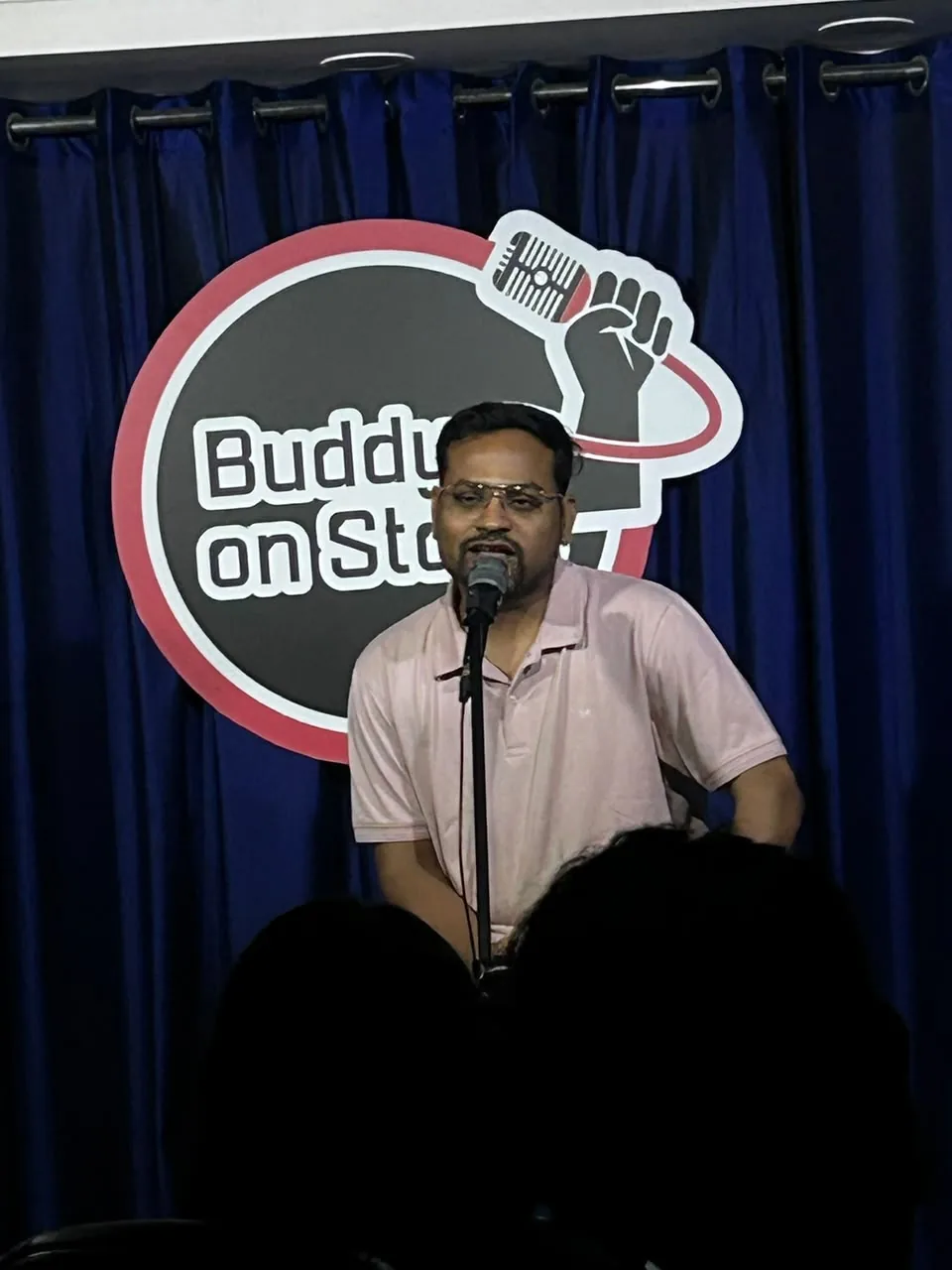
Search “learn stand-up comedy” in India and you will find no shortage of paid workshops promising to fast-track you. They can be genuinely useful — or an expensive way to delay the one thing that actually makes you funny. So: are comedy workshops worth it? The honest answer is “sometimes, for some people, at the right moment.” Here is how to decide without wasting your money.
What a Good Workshop Can Actually Do
A solid workshop offers real value: it teaches the fundamentals of joke structure faster than trial and error alone, gives you a deadline and a supportive cohort, provides structured feedback, and often ends with a showcase that gets you on stage for the first time. For someone who needs a push to start, or who wants the theory laid out clearly, a good workshop can compress months of fumbling into a few weeks of guided learning.
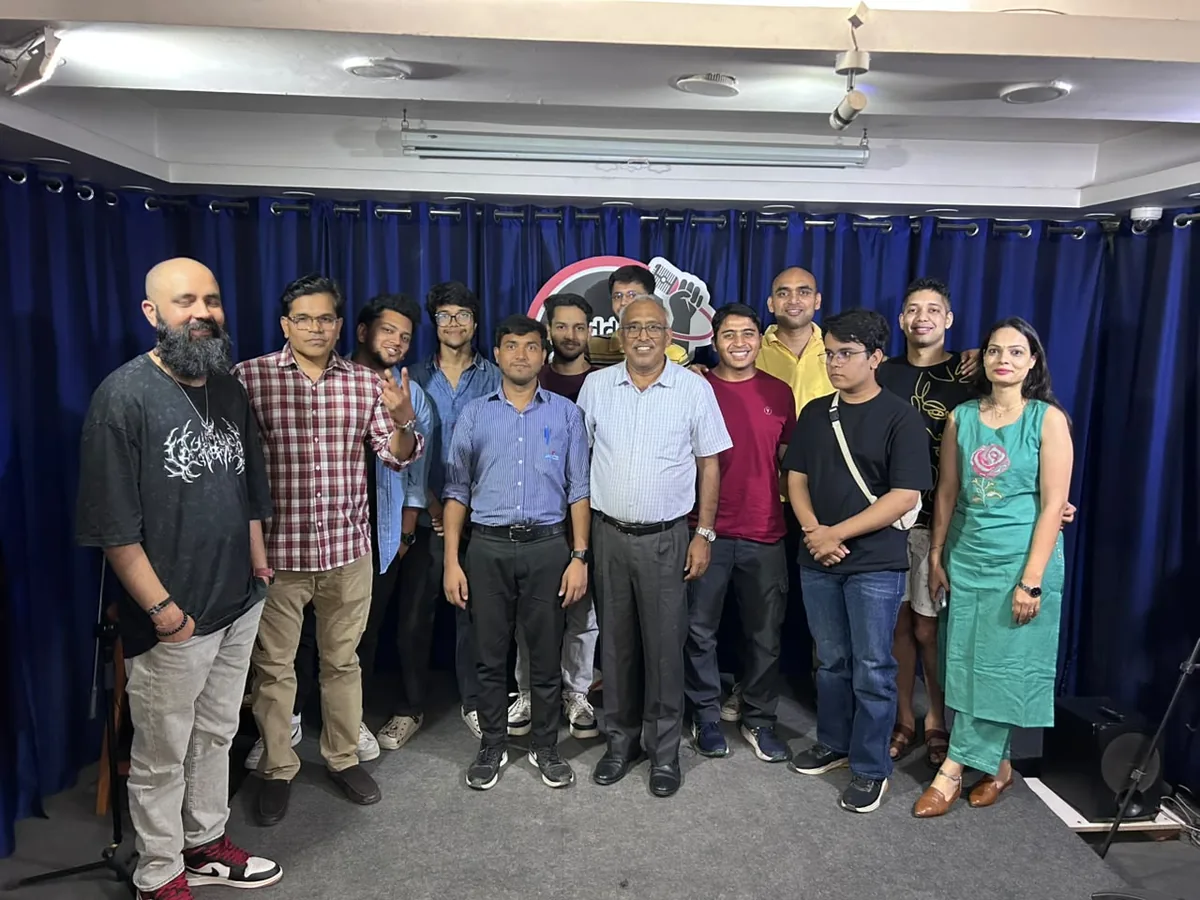
What No Workshop Can Replace
Here is the crucial caveat: no workshop can give you stage time, and stage time is where comedy is actually learned. You can understand joke theory perfectly and still bomb, because timing, nerves, crowd-reading, and your own voice only develop in front of real audiences. A workshop without lots of subsequent open mics is a car with no petrol. The class is the map; the stage is the road.
When a Workshop Makes Sense
- You cannot get yourself to start and need the structure and deadline to push you onto a stage.
- You want the theory upfront and prefer learning fundamentals in an organised way.
- You want a ready-made community of fellow beginners to start the journey with.
- It ends in a real showcase — that first guaranteed stage experience has genuine value.
When To Skip It (For Now)
If you are willing to just turn up to an open mic, you do not need a workshop to begin — plenty of brilliant comics never took one. If money is tight, spend it on nothing: open mics are far cheaper and teach more. And be wary of treating a workshop as a substitute for the scary part. Some people take class after class to feel productive while avoiding the actual stage. If that is the risk, skip the class and book the mic.
The cheapest, fastest teacher is the stage itself.
Whether or not you take a workshop, your real progress happens at open mics. Start there — book a beginner-friendly slot today.
Register for an Open MicThe Best of Both Worlds
If you do take a workshop, get maximum value by hitting open mics during and after it, not just at the final showcase. Apply each lesson on a real stage that same week while it is fresh. The comics who benefit most from workshops are the ones who treat the class as a supplement to relentless stage time, not a replacement for it. Theory plus reps beats either one alone.
The Bottom Line
A workshop is an optional accelerator, not a requirement. It can teach you faster and push you to start, but it can never make you funny on its own — only audiences do that. Whether you invest in one or not, the non-negotiable is the same: get on stage, often. If you want to test whether you even need a class, do one open mic first; you will learn more in those six minutes than any brochure can promise.
A workshop can shorten the lesson. It cannot skip the homework — and the homework is always the same: get on stage and do it again.
Try the Real Classroom First
Before spending on any course, test the only classroom that is mandatory. Book a beginner-friendly open mic, do your six minutes, and see what you actually need to learn — you may find the stage teaches you faster than you expected. Buddy On Stage runs weekly open mics in Delhi with no audition, so the real education can start this week, workshop or not.