
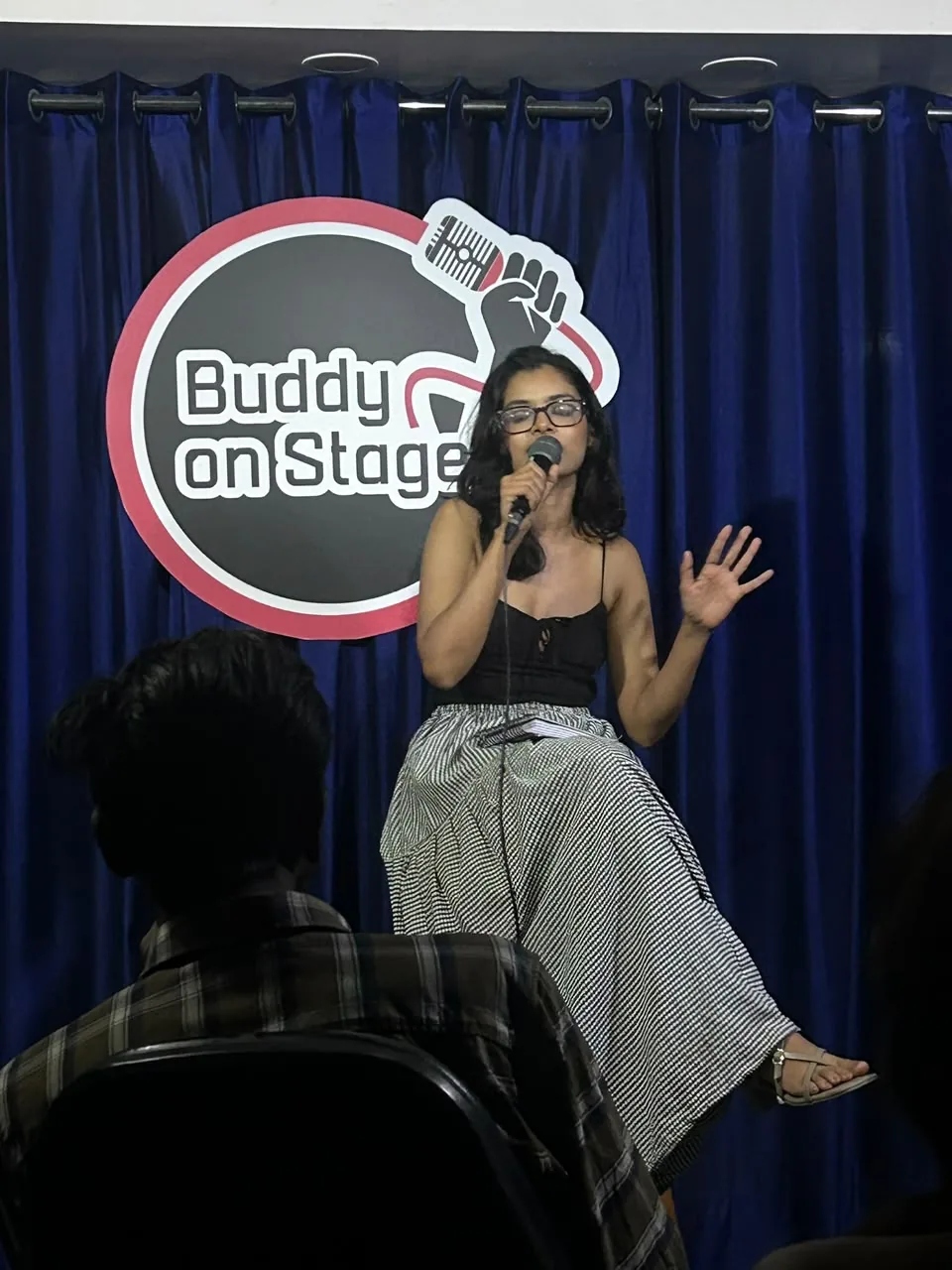
“Spoken word” can sound like a club you are not cool enough to join — snapping fingers, intense faces, words you half-understand. Forget that image. Spoken word is simply poetry written to be performed out loud rather than read silently. If you have ever said something true with feeling, you are already halfway there.
This is a from-zero guide: what spoken word actually is, how it differs from the poetry you studied in school, and the shortest honest path from “I think I want to try” to standing on a real mic. No gatekeeping, no jargon.
What Spoken Word Actually Is
Spoken word is performance poetry. The poem is built for the voice — rhythm, pauses, repetition and delivery are part of the writing, not decoration added later. It overlaps with slam poetry, rap, and the Hindi-Urdu tradition of reciting shayari at a mushaira. What they share: the poem is completed by being spoken to a live room.
You do not need a “spoken word voice.” The best performers sound like themselves, only clearer and more deliberate. Your accent, your Hinglish, your pauses — those are features, not flaws.
How It Differs From Page Poetry
- Heard once, not re-read. Clarity beats cleverness — the room cannot scroll back.
- Sound carries meaning. Rhythm, repetition and breath do work that punctuation does on the page.
- Delivery is half the poem. The same words land differently loud or soft, fast or slow.
- The room responds live. You feel a poem land — or not — in real time.
Start By Listening
Before you write a word, spend an evening watching spoken word — on YouTube, on Instagram reels, or better, live at an open mic. Notice what moves you: is it a poet’s stillness, their build to a climax, a repeated line, a sudden whisper? You are not copying; you are learning the vocabulary of the form the way you learned to speak — by hearing it first.
Write One Honest, Small Thing
Beginners freeze trying to write something Important. Do the opposite. Write about one small, true thing: the last conversation with your father, the smell of your hostel corridor, the exact moment you stopped believing something. Specific and honest is the whole secret. The universal hides inside the particular — write the particular and let the room find themselves in it.
Read It Aloud Until It Feels Like Speech
Now perform it — to your wall, your mirror, your phone camera. Read it ten times. Somewhere around the fifth read it stops being recitation and starts being speech: you know where you slow down, where you land hard, where you breathe. That is the poem becoming a performance. Filming yourself feels awful and is the fastest teacher you have.
Spoken word is not real until it is spoken to a room.
You can rehearse to your mirror forever, but the form only clicks in front of live people who came to listen. Book a beginner-friendly slot and take the real step.
Book My First SlotTake It To an Open Mic
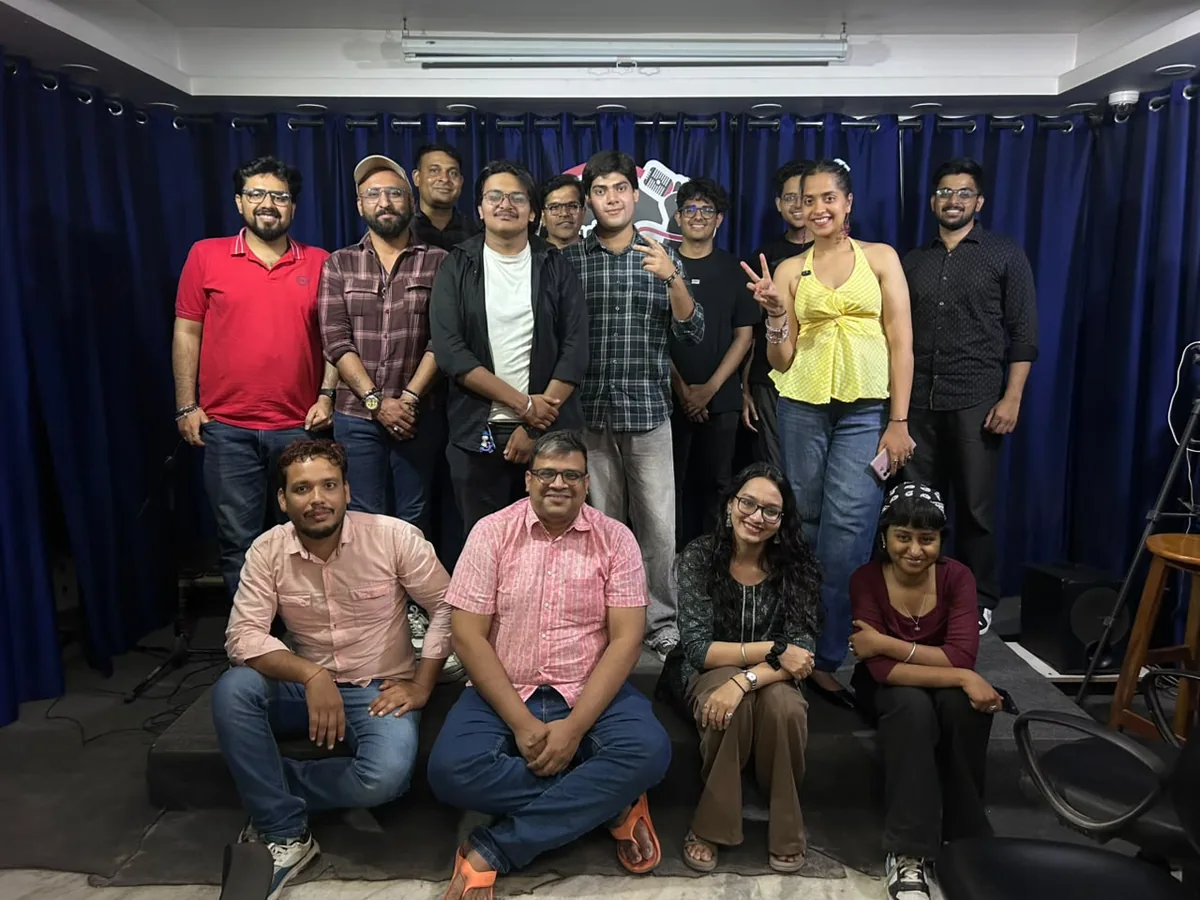
This is the step that turns you from someone-who-writes into a poet. An open mic is the natural home of spoken word: a low-stakes, supportive room where everyone on the list is also nervous, also trying. You sign up, you wait your turn, you read your one poem, and you sit down changed. Nobody expects perfection. They expect honesty, and they root for you to get through it.
Then Do It Again
One open mic teaches you more than a month of solo practice, but the real growth is in the second, fifth, tenth time. You learn what lands, you get braver, your voice steadies, your writing sharpens to match the room. Spoken word is a practice, not a talent you are born with. Show up weekly and you will not recognise your own courage in three months.
You do not need permission, a degree, or the perfect poem. You need one honest piece and one room willing to listen. Both are closer than you think.
Your Starting Line Is a Sign-Up Form
Everything about spoken word — the craft, the confidence, the community — unlocks the moment you perform once. Write your one small true poem this week, read it aloud until it feels like speech, and book a beginner-friendly open mic. Buddy On Stage runs them every week for exactly this: first-timers taking the leap in a room that has their back.