
Most team building lists assume a single generic team: a dozen people, roughly the same age, all in the same room, all reasonably willing. Almost nobody has that team.
What you have is more specific. A team that doubled in nine months and where half the people have never met the other half. Or one that comes in on different days. Or one that just shipped something brutal and is running on empty. Or two teams that were merged on paper eight months ago and still behave like two teams.
Each of those needs a different activity, and the reason generic lists disappoint is that they treat team building as one problem. Here is the version sorted by situation.
Situation 1: A brand-new or fast-growing team
The problem here is not friction, it is absence of context. Nobody knows who is good at what, who to ask, or who they can be informal with. Everything feels slightly formal because nothing has been established yet.
What works:
- Structured speed networking. Four rounds, two minutes, one prompt each, different person every round. It sounds mechanical and that is exactly why it works — the timer removes the awkwardness of deciding when a conversation ends.
- 'First job' rounds. Everyone names their first ever job and one thing it taught them. It levels a room faster than almost anything, because everybody's first job was humbling.
- Skills inventory, made public. Not a form — a session where people say out loud what they are genuinely good at, including non-work things.
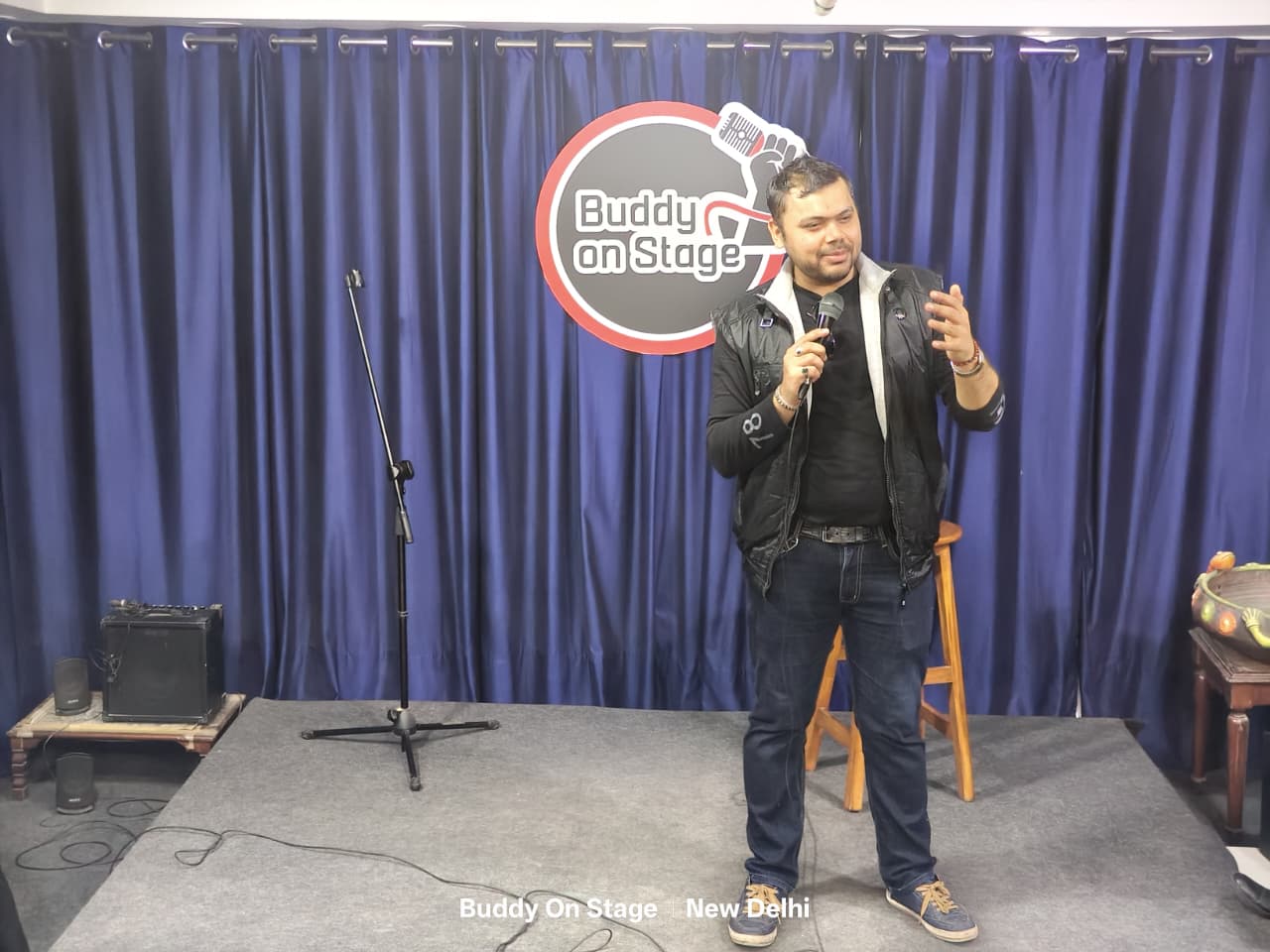
- A booked live act early on. A new team's first shared memory should be something enjoyable rather than a crisis. Getting forty strangers to laugh at the same thing in week three does more for the next six months than any icebreaker.
Avoid anything competitive in the first month. Competition before relationships sorts a new team into winners and losers before anybody knows each other.
Situation 2: A hybrid team that barely overlaps
The problem is contact frequency, not goodwill. People like each other fine; they simply are not in the same place often enough for anything to accumulate.
- Anchor days, not attendance policies. Pick the two days most people are already in and put everything social on those days. Do not add a mandate; add a reason.
- Make the office day worth the commute. If someone travels ninety minutes to sit on a video call they could have taken at home, they will stop coming. Something should happen on anchor days that could only happen in person.
- Remote-first formats for the remote half. Not a camera pointed at a room — that is the worst of both. Give distributed staff their own hosted session.
- A monthly in-person event that is genuinely worth showing up for. This is the anchor the whole hybrid structure hangs off.
We wrote the longer version of this in employee engagement ideas for hybrid teams.
Situation 3: A burnt-out team after a hard quarter
This is the situation where team building is most often done badly. The instinct is to book a workshop on resilience. Do not.
A team that has just been through something hard does not need to be improved. It needs to stop working for a bit in each other's company. Anything that feels like another deliverable — a workshop, a strategy session, a values exercise — reads as more work with a nicer name.
- A live act, nothing attached. No speech before it, no survey after it, no learning objective. Comedy, live music or magic, ninety minutes, then go home. The absence of an agenda is the entire message.
- Specific, named recognition. Not 'great work everyone'. Individual sentences about individual things people did. Said out loud, in front of the room.
- A genuinely early finish. Underrated, free, and remembered.
- Nothing at all for two weeks. Sometimes the right engagement activity is leaving people alone, and it is worth being honest that we are in the business of selling the opposite.
A team that just survived a hard quarter does not need to be improved. It needs to stop working for a bit, in each other's company.
Pick an act, send one enquiry.
Browse verified artists by category, city and language - stand-up comedians, singers and musicians, magicians, poets and hosts. Read the profile, check the experience, shortlist who fits your room.
Browse ArtistsSituation 4: Two teams merged on paper but not in practice
The problem is identity. Both groups still think of themselves as their old team, and every social event quietly re-sorts into the original two clusters.
- Force mixed groups, then give them a real task. Not a game — an actual small internal project with a deliverable. Shared work builds identity in a way shared fun cannot.
- 'What we actually do' showcases. Each original team explains their real work, including the parts they find hard. Most merge friction is ignorance.
- Kill the old team names. Sounds cosmetic. Is not. As long as the old labels exist in calendar invites and channel names, the old identities stay alive.
- One shared event with no seating plan by origin. Mixed tables, assigned, non-negotiable. A hosted format helps here because the host can keep working the mixed tables instead of letting them drift apart.
Situation 5: A big floor where nobody knows anybody
Two hundred people in an open plan. Everyone knows their own pod of eight and nobody else. The problem is scale, and most team building activities simply do not work at this size.
- Formats that do not require participation from everyone. A live act scales to a few hundred; a discussion circle does not.
- Close-up magic or desk-to-desk formats. Specifically designed for rooms you cannot stop all at once.
- Host-led games with table teams. Randomly assigned tables turn two hundred strangers into twenty teams of ten, which is a size that works.
- Cross-pod lunch roulette, running permanently. Cheap, continuous, and the only thing on this page that works in the background.
Situation 6: A team that has done everything already
Long-tenured group, seen every quiz, every potluck, every treasure hunt. The problem is novelty, and the honest answer is that novelty is the one thing internal organisers cannot manufacture indefinitely.
This is where booking outside becomes the practical option rather than the premium one. A professional performer your team has never seen is novel by definition, and rotating format — comedy one month, live music the next, magic after that — keeps it novel for longer than any internal committee can. You can browse artists by category and city and see what your team has genuinely not had before. Unique team building activities covers the more unusual end of this in detail.
The thing that applies to every situation
Whatever situation you are in, two rules survive all six.
First, do not make it mandatory. Attendance tracking converts an activity into an obligation and obligations do not build teams. Design something good enough that people come, and accept the ones who do not.
Second, frequency beats intensity. One enormous annual offsite builds less than a modest thing that happens every month. That is why, for Delhi NCR offices, we build the monthly layer as an ongoing engagement programme rather than selling single events — one, two or four sessions a month, a different art form each time, no lock-in. Elsewhere in India, book the act directly and set your own rhythm.