
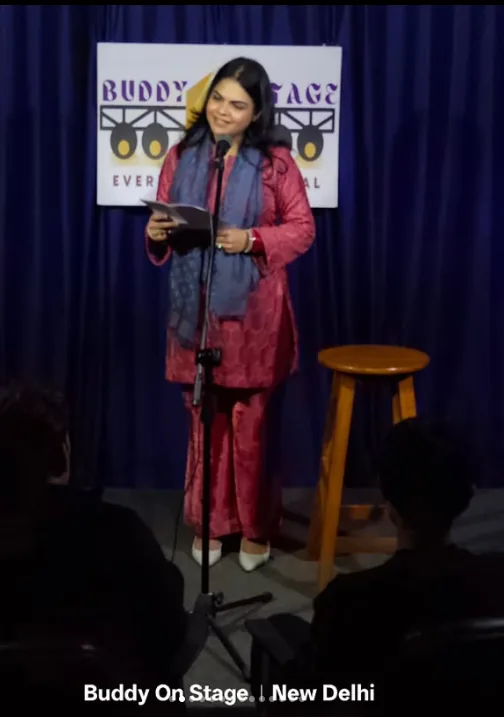
A joke lands in silence. Dead air. The mic amplifies every breath. You can hear the ice clinking in someone's drink three tables away. Your body screams leave. Your job is to stay — and more than stay, to move forward with composure, because how you handle the next four seconds defines the rest of your set.
Silence is the single scariest moment in stand-up for beginners. It is also the moment where the craft of performance actually lives. Killing jokes is easy; surviving dead jokes is skill.
First: Understand What Silence Actually Means
Before you panic, understand that silence is not automatically rejection. It could mean several different things, and the response is not always the same:
- The audience is processing. Complex jokes sometimes have a 1-2 second delay before the laugh catches up.
- The setup did not land. The joke never had a chance — the premise was unclear or the delivery rushed the setup.
- The room is cold tonight. Sometimes every comic struggles, not just you. Nothing about the material.
- The joke genuinely does not work. Rare but possible. Information for your rewrite tomorrow.
You cannot diagnose which one in the moment, and it does not matter. The response is the same regardless: keep the set moving. Diagnosis happens at home tomorrow with a pen.

The 3-Second Rule
Give a beat — literally count 1, 2, 3 in your head — then pivot. Three seconds is the audience's threshold. Shorter and you look panicky. Longer and tension compounds, the silence starts feeling like an event instead of a pause, and recovery becomes much harder.
The three seconds are not dead time. They are composure time. You are communicating to the room: I noticed, I am fine, we are moving on. That non-verbal message is half the recovery.
Recovery Lines That Work
Short acknowledgments that buy you two or three seconds to reset without begging for sympathy. These lines have been battle-tested by comics for decades:
- "Noted." — Clinical, self-aware, moves straight into the next joke.
- "Just me then." — Acknowledges the silence without apologising. Often gets a small sympathy laugh that resets the room.
- "We'll circle back to that one." — Implies intention. Lets you bridge to the next premise cleanly.
- "I wrote that one for myself, really." — Charming deflection. Works especially well for observational jokes.
Rule: maximum two recovery lines per set. More than that and they become a verbal tic — audiences notice you leaning on the same escape hatch, and the charm wears off fast. Save them for genuine emergencies.
What Not To Do After A Silent Joke
- Do not explain the joke. Explaining is admitting defeat. The audience will pity you briefly, then lose confidence for the rest of the set. If it did not land, it did not land — move on.
- Do not apologise. "Sorry, that was a bad one" trains the audience to distrust every future joke. Apologies also come across as insecurity, which reduces laughs across the board.
- Do not speed up to "get through" the set. Rushing is the most common panic response and it makes the next 3-4 jokes worse. Every subsequent line gets delivered too fast, killing jokes that would have otherwise landed.
- Do not blame the crowd. "Tough crowd" or "you guys are quiet" shifts the responsibility onto the audience, and they immediately resist. The crowd never owes you a laugh — pretending they do reads as entitlement.
The only way to master silence is to hear it
Buddy On Stage open mics give you real crowds — some warm, some cold, all teaching. Book your next 6-minute slot and practise staying composed.
Register for an Open Mic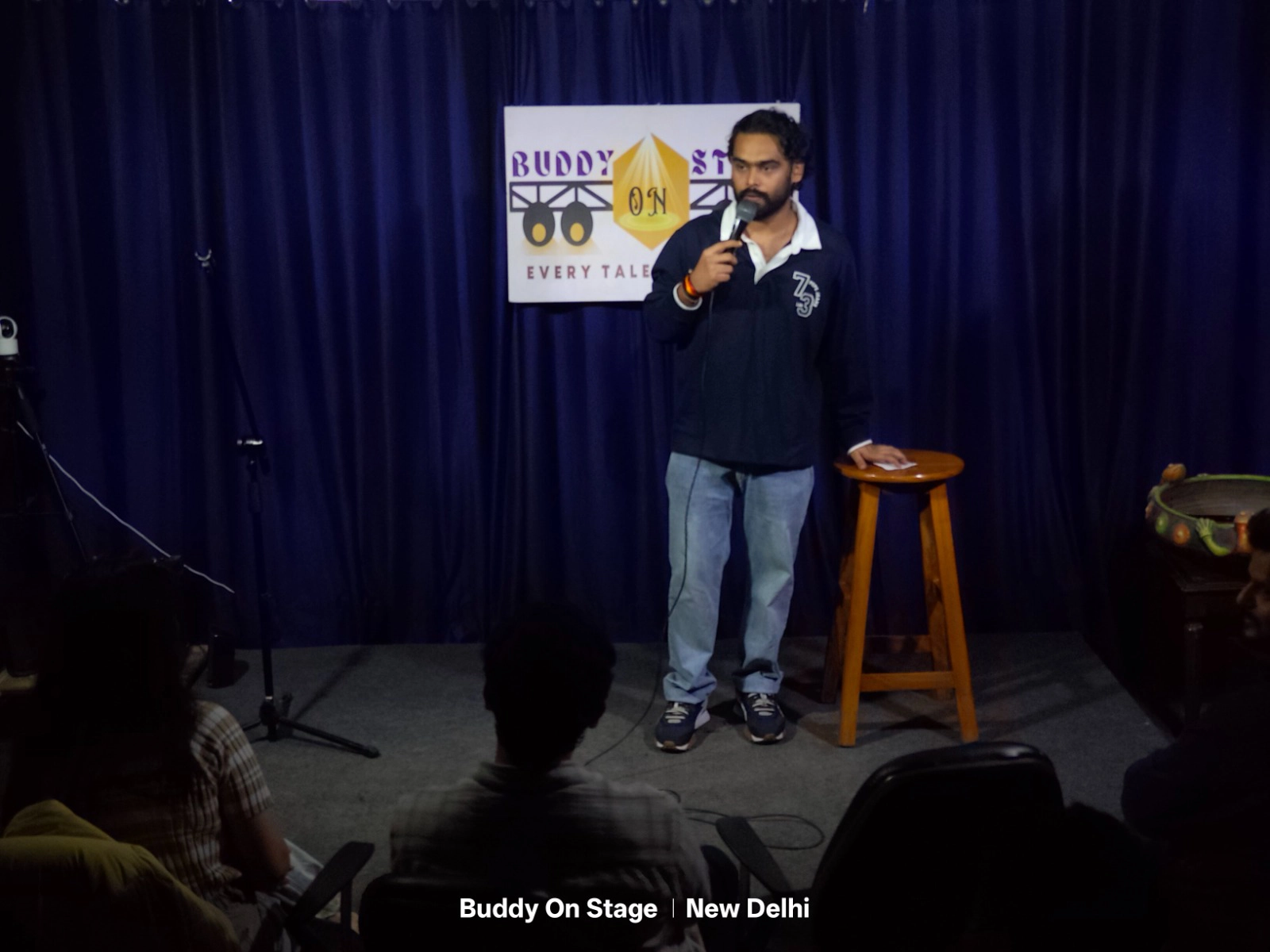
Mid-Set Reset Protocol
If three jokes in a row land flat, the whole set needs a reset, not just the next line. Here is the protocol working comics use:
- Take a visible breath. A clear, composed pause signals to the audience that you have things under control — even if you do not feel it.
- Acknowledge lightly. Something neutral like "alright, tough one" or even a small smile and shrug. Just enough to name the moment without wallowing.
- Jump to your strongest remaining joke, not the next one in order. If you planned to do joke 5 next but joke 7 is your biggest laugh, flip the order. The crowd needs a win to reset energy.
- If it lands, you are back. The room resets and the remaining set can finish strong.
- If it does not land, finish clean and walk off. Sometimes rooms are just cold. Do not prolong the bomb — close with whatever you have and get off stage with dignity intact.
The Long-Term Gift Of Silence
Here is the unexpected truth: bombing teaches more than killing. A set that killed tells you one thing — this material, this room, worked. A set with silences tells you many things — which premises were weak, which setups were rushed, which tags were unnecessary, which jokes need a fundamental rewrite.
Silence is a high-resolution, specific report on what is not working. Every joke that dies on stage is one less joke you will ever die on again. Comics who avoid rooms where bombs are possible also avoid the fastest path to actual improvement.
"My 4th open mic had a silence so long I swear I heard someone's phone vibrate on the bar counter. I said "just me then", moved to my next bit, and the crowd laughed at the recovery more than any of my planned jokes. That silence made me braver, not weaker."
The comic who fears silence will never develop a true voice. The comic who learns to stand in silence becomes unshakeable.