
If you are thinking about becoming a stand-up comedian, you deserve the honest picture. Not the Netflix-trailer version where someone grinds for 18 months and then gets a special. The real one — which is longer, more uncertain, and in many ways more rewarding than the Instagram version.
Here is what the path actually looks like from the first open mic to something that resembles a career, based on what working comics in India and abroad consistently describe.
Year 1: The Free Stage-Time Years
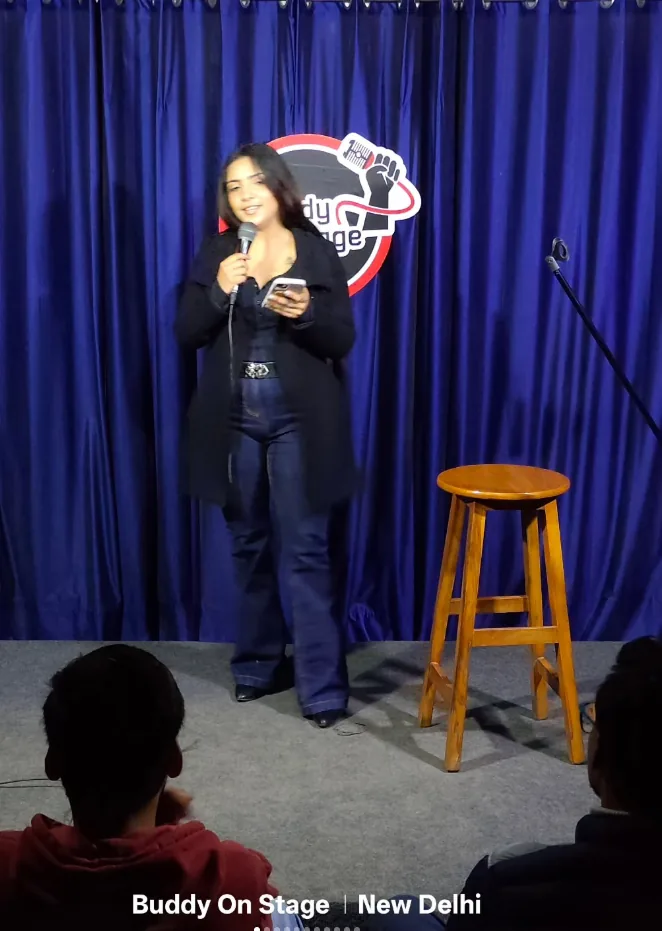
You will do 50-70 open mics in year one if you are serious. That is 1-2 mics per week, every week, including Diwali, your birthday, and the week you have a project deadline. Zero of these will pay. Most will feel bumpy. A handful will have moments that feel genuinely like flying.
You will bomb regularly — sometimes 3 or 4 sets in a row will land quietly and you will question whether you should continue. You will. You will also question the decision at least once a month. Everyone does. The comics you now admire all went through this exact phase, usually with more bombing than they admit in interviews.
This is the tuition phase. Everyone pays it. There is no shortcut, no comedy accelerator, no premium class that compresses the timeline. Reps, review, repeat.
Year 2: The Small Wins
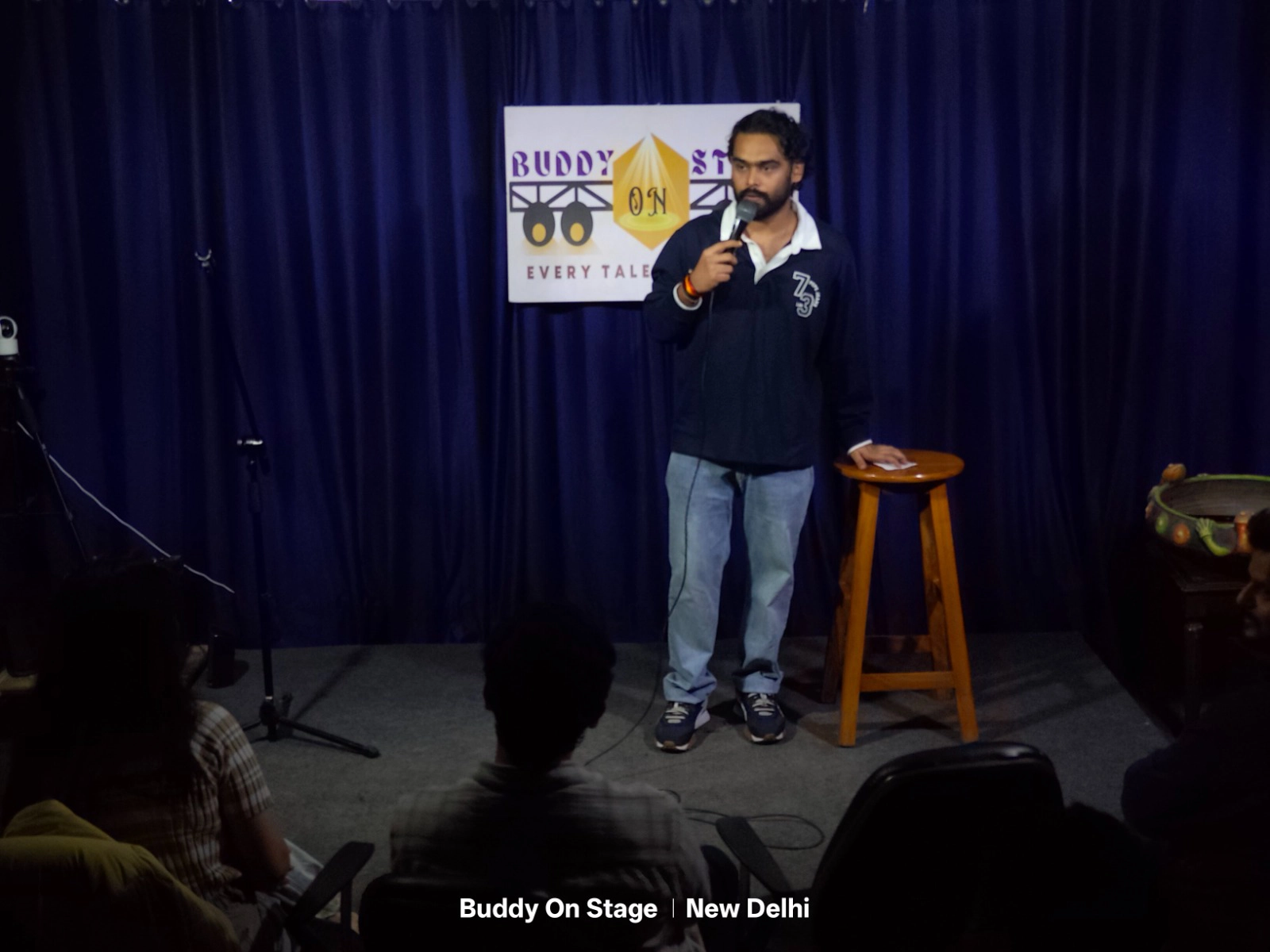
Something shifts around mic 80 or 90. You stop being the newest person in the green room. Other comics recognise you, say hi, share material notes. You get asked to host an open mic. A curated showcase invites you for a guest spot. A college fest wants you for their comedy night.
The money remains minimal — maybe a few thousand rupees here and there, mostly symbolic. But you are no longer free labour; you are a known quantity in your local scene. A tight 15-minute set starts to feel reliable. You know which 10 jokes almost always land, and which 5 need to be matched to the right crowd.
Year 3: The First Real Paid Gigs
Corporate gigs, college fests, private bookings, birthday shows start appearing. The money is wildly inconsistent — you might earn from two shows in a month, then nothing for six weeks. You are still keeping the day job, and you are glad to.
Around year 3, you start hearing "you are actually quite good now" from people who saw you a year ago. That is because you are. Three years of weekly reps, honest review, and rewriting creates real craft. Not Netflix-level yet — but genuinely, recognisably good.
Every year-3 comic started with one open mic
Every journey has a day one. Make today yours — book your 6-minute slot at a Buddy On Stage open mic.
Register for an Open MicYear 4-5: Going Semi-Pro Or Full-Time
A minority of comics from year 1 are still going by year 4. The ones who made it this far have 45-60 minutes of tight material, a small recurring audience that comes to their shows, and enough monthly gigs to seriously consider quitting the day job.
The ones who quit by year 4 mostly did not fail — they just moved on. Consistency at this intensity for years is hard, and life happens. Marriages, kids, health, job changes. Many people who quit treat their comedy years as one of the best decisions they ever made, even though they did not turn it into a career.
The Actual Rewards (Even If You Never Go Full-Time)
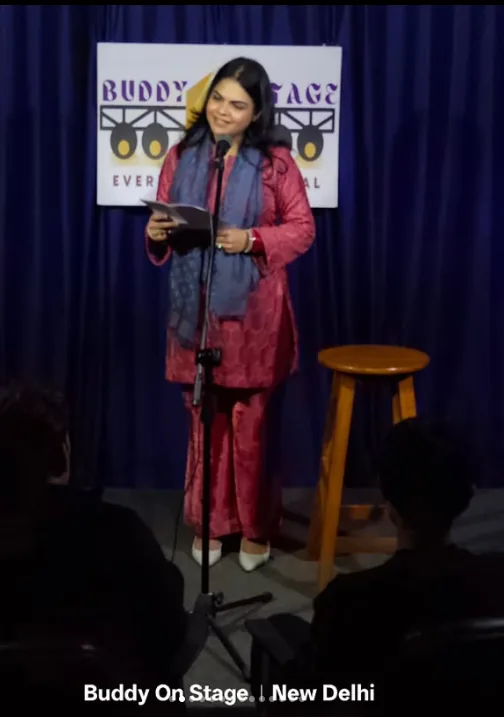
Most people who start stand-up do not become full-time comedians. They still win massively — here are the specific lifelong rewards, whether you quit after year 2 or keep going for decades:
- Public speaking confidence. Boardroom presentations, wedding toasts, and investor pitches all become trivially easy after you have survived a silent open mic.
- Writing discipline. Daily observation capture and weekly rewriting sharpens every other kind of written work you will ever do.
- A circle of comedy friends. These relationships often last decades. Green rooms become extended family.
- The lifelong ability to read and work a room. Social calibration that translates to every human interaction.
- The knowledge that you tried something most people never try. That identity shift is permanent and valuable.
The Myths Worth Killing Early
Myth: It Takes 6 Months To Get Good
Reality: 2-3 years minimum to be reliably good. 5+ years to be genuinely great. Anyone promising faster is either selling a course or misremembering their own timeline.
Myth: You Need To Move To Mumbai Or Delhi
Reality: A strong local scene is better than being nobody in a big scene. Build where you are first; the moves (if needed) come later when you have leverage and material.
Myth: Going Viral Is The Goal
Reality: Viral moments come and go; craft outlasts clips. The comics who sustain careers are built on 1,000 hours of stage work, not one 40-second reel. Treat social media as a distribution channel for tested material, not as the goal itself.
What Actually Determines Who Makes It
Not talent. Not connections. Not early success. Not charisma. One variable matters above all others: consistency over years. The comic who shows up weekly for five years without glamour outlasts every "naturally talented" person who quit in year 1.
"I started at 34, part-time, working in finance. Four years in, I have a 45-minute set, two corporate gigs a month, and zero plans to quit my day job. Comedy is the best thing I do that doesn't pay the bills, and also slowly might."
Becoming a stand-up comedian is not a single decision. It is hundreds of small decisions, made on tired Tuesdays, to go to the open mic anyway.